10 Unstoppable Innovation Lessons From Thomas Edison That Revolutionized Modern Technology

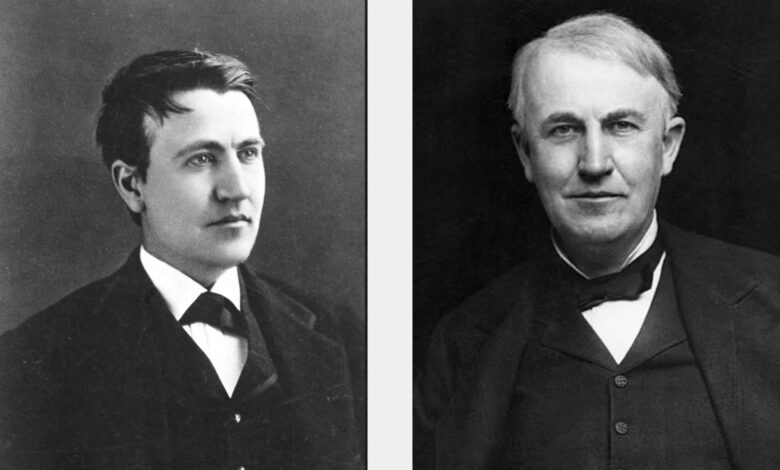
The profound historical legacy of iconic American inventor Thomas Edison represents one of the most celebrated, influential, and transformative chapters in modern industrial history. Recognized as a pioneering engineer, practical scientist, and prolific entrepreneur, his life redefined electric lighting, sound recording, and mass communication systems during the nineteenth and twentieth centuries. Over his active tenure in research and development, he filed over one thousand patents, established the world’s first industrial research laboratory, and inspired millions through his relentless work ethic. This comprehensive biographical study examines his Midwest childhood, telegraphy career, groundbreaking inventions, corporate ventures, and lasting worldwide impact.
Quick Bio
| Attribute | Details |
| Full Birth Name | Thomas Alva Edison |
| Date of Birth | February 11, 1847 |
| Place of Birth | Milan, Ohio, U.S. |
| Date of Death | October 18, 1931 |
| Place of Death | West Orange, New Jersey, U.S. |
| Primary Professions | Inventor, Businessman, Electrical Engineer |
Early Life in Ohio and Michigan
Born in Milan, Ohio in 1847, young Thomas Edison grew up as the youngest child of Samuel Edison and Nancy Elliott. Moving to Port Huron, Michigan in 1854, he attended formal school briefly before his mother chose to educate him at home. Developing severe hearing loss during early childhood, he turned to voracious reading and self-directed science experiments. By age thirteen, he sold newspapers and candy on regional passenger trains, using his profits to buy chemical apparatus for a makeshift baggage car laboratory. These formative frontier experiences cultivated his remarkable self-reliance, practical curiosity, and lifelong passion for scientific experimentation.
Telegraph Operator Years and Early Innovations
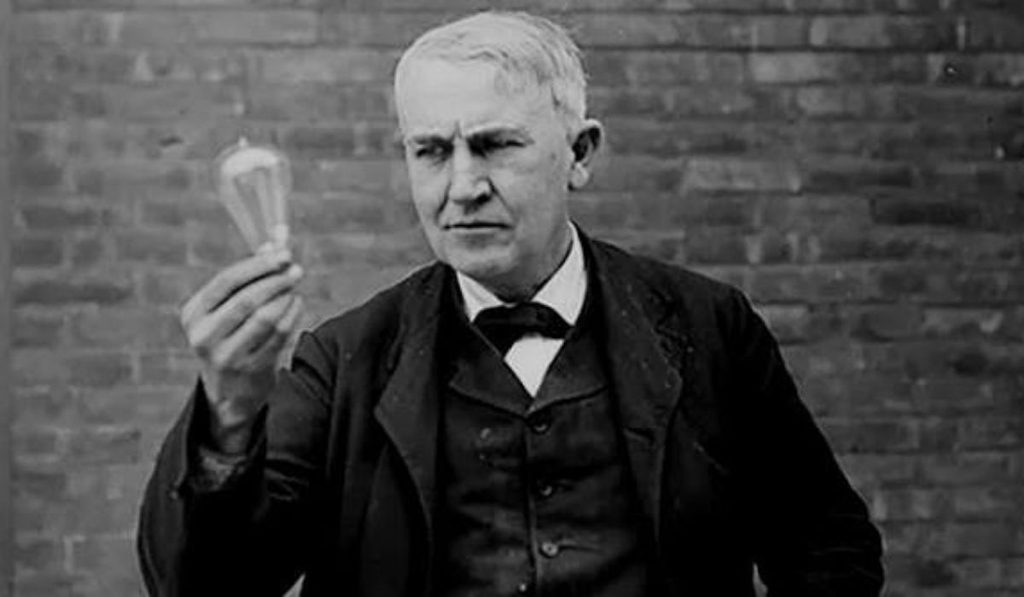
Becoming a skilled telegraph operator during his teenage years, ambitious youth Thomas Edison traveled across the Midwest working night shifts for railway and telegraph companies. His intimate familiarity with electrical circuits, battery chemistry, and Morse code inspired his earliest mechanical inventions. Moving to Boston in 1868, he received his first official patent for an electrographic vote recorder designed for legislative bodies. Although politicians rejected the device for being too efficient, the commercial failure taught him a vital career lesson: to focus exclusively on developing practical products with immediate, proven commercial demand.
The Move to New York and Quadruplex Telegraph
Relocating to New York City in 1869, resourceful engineer Thomas Edison arrived broke but determined to establish himself as a full-time professional inventor. After repairing a broken stock ticker at the Gold and Stock Telegraph Company, he was hired to manage their technical equipment. He soon developed an improved stock ticker and sold his patent rights for an astonishing forty thousand dollars. Using these funds, he developed the quadruplex telegraph, capable of sending four messages simultaneously over a single wire, revolutionizing national communications and establishing his financial independence.
Building Newark Workshops and Early Partnerships
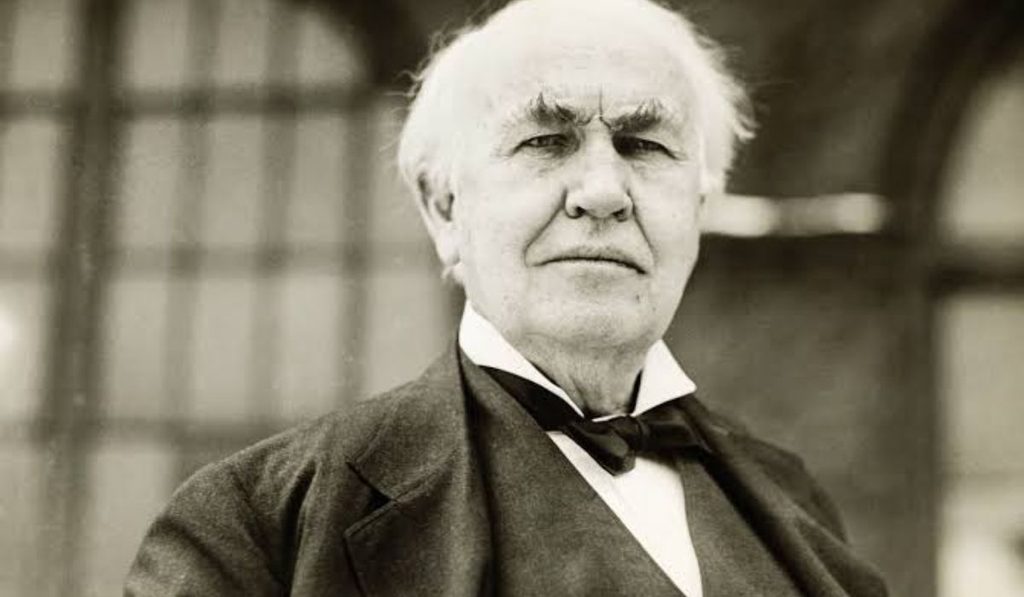
Establishing manufacturing workshops in Newark, New Jersey during the early 1870s, industrialist Thomas Edison produced telegraphic equipment while employing dozens of skilled mechanics. He married Mary Stilwell in 1871, raising three children while working grueling eighteen-hour workdays in his shop. Partnering with various telegraph companies, he continuously refined transmitters, receivers, and automated printing devices. His intense work schedule and collaborative manufacturing methods demonstrated that technological progress required organized teamwork, specialized machinery, and systematic experimentation rather than isolated moments of individual inspiration.
Establishing the Menlo Park Laboratory
Constructing a groundbreaking facility in 1876, visionary pioneer Thomas Edison founded the world’s first industrial research laboratory in Menlo Park, New Jersey. Designed specifically to produce a continuous stream of practical technological innovations, the site housed specialized chemical labs, machine shops, and drafting rooms. He assembled an extraordinary team of mathematicians, machinists, physicists, and craftsmen, directing their collective talents toward specific commercial goals. This revolutionary operational model transformed the process of invention itself into an organized, repeatable industry, earning him international fame as “The Wizard of Menlo Park”.
Invention of the Carbon Telephone Transmitter
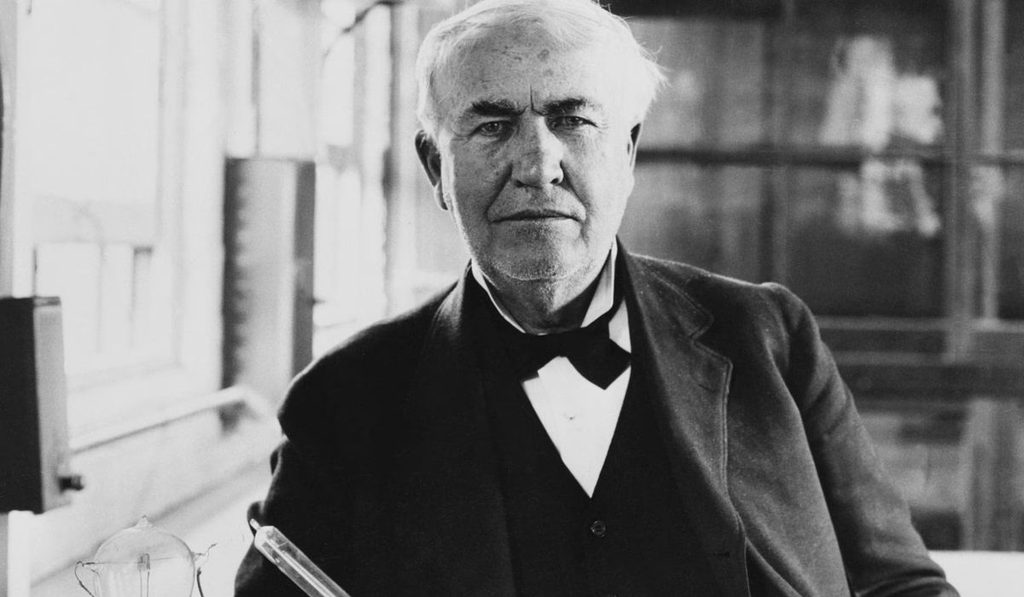
Improving Alexander Graham Bell’s early telephone design in 1877, brilliant researcher Thomas Edison developed the revolutionary carbon button transmitter. His innovative device utilized compressed carbon granules to vary electrical resistance in response to sound vibrations, dramatically increasing voice clarity and transmission distance. Sold to Western Union, the carbon microphone made long-distance telephony commercially viable for the first time. This technical triumph showcased his ability to identify weaknesses in existing technologies and engineer superior, mass-producible solutions that fundamentally enhanced human communication networks worldwide.
The Phonograph and World Acclaim
Achieving a historic breakthrough in late 1877, famous inventor Thomas Edison created the phonograph, the world’s first machine capable of recording and reproducing sound. By speaking “Mary had a little lamb” into a diaphragm attached to a needle tracing grooves on tin foil, he captured audio for playback. The invention astonished the global public, elevating him to legendary status overnight. Although initial commercialization took years to refine, the phonograph laid the groundwork for the modern recorded music industry and remained his favorite personal invention throughout his entire life.
Practical Incandescent Light Bulb Development
Turning his attention to electric lighting in 1878, ambitious researcher Thomas Edison sought to create a safe, economical alternative to gas lamps. After testing thousands of organic and metallic materials, his team discovered that a carbonized bamboo filament operating inside a high-vacuum glass bulb provided long-lasting illumination. Unveiled publicly on New Year’s Eve in 1879, his incandescent light bulb burned for over forty hours. By combining durable materials with efficient vacuum pumps, he transformed electric light from an expensive laboratory curiosity into a practical household utility for millions.
The Pearl Street Station Electric Grid
Recognizing that light bulbs required power, visionary organizer Thomas Edison engineered the world’s first central commercial electric power system. Opening the Pearl Street Station in Lower Manhattan in September 1882, he deployed giant direct-current generators, underground copper wiring, safety fuses, and meters. The centralized power grid initially illuminated dozens of commercial buildings, demonstrating the feasibility of urban electrification. His holistic engineering approach provided a complete electrical ecosystem, laying the foundational blueprint for modern municipal power utilities and global electrical distribution networks.
The War of the Currents
Engaging in a fierce industrial rivalry during the late 1880s, corporate leader Thomas Edison defended his direct current (DC) system against George Westinghouse’s alternating current (AC) technology. Believing AC high voltage posed severe public safety risks, he mounted aggressive publicity campaigns to discredit alternating current. Despite his vigorous lobbying, alternating current eventually prevailed for long-distance power transmission due to transformer efficiency. Nevertheless, his fierce defense highlighted the intense economic stakes surrounding early infrastructure deployment and catalyzed massive corporate growth across the expanding electrical industry.
Construction of the West Orange Laboratory
Expanding his research empire in 1887, prosperous entrepreneur Thomas Edison built a massive new laboratory complex in West Orange, New Jersey. Ten times larger than Menlo Park, the facility employed hundreds of workers across extensive chemical, physical, and metallurgical departments. Following the death of his first wife, he married Mina Miller in 1886, establishing a family home at the nearby Glenmont estate. The West Orange complex served as his primary innovation hub for over four decades, driving major advancements in sound recording, batteries, and cinema technology.
Development of Motion Picture Technology
Pioneering visual entertainment in the early 1890s, creative genius Thomas Edison and his associate William Dickson developed early motion picture technology. They invented the Kinetograph, a camera using perforated 35mm celluloid film, and the Kinetoscope, a peep-hole viewer for individual film playback. Constructing the “Black Maria”—the world’s first movie studio—in West Orange, they produced short films featuring performers, athletes, and dancers. His pioneering cinematic equipment helped launch the global film industry, forever altering how humanity creates, consumes, and experiences visual narrative art.
The Iron Ore Milling Venture
Investing heavily in mining technology during the late 1890s, determined industrialist Thomas Edison poured millions of dollars into developing giant magnetic ore-separating machinery. He constructed a massive crushing plant in northwestern New Jersey to extract iron from low-grade rock. However, the discovery of vast, cheap iron deposits in Minnesota rendered his complex operation commercially uncompetitive, resulting in enormous personal financial losses. Rather than despairing over failure, he adapted his heavy crushing machinery to manufacture high-grade Portland cement, quickly building a profitable new industrial enterprise.
Alkaline Storage Battery Breakthrough
Spending a decade conducting thousands of chemical experiments, persistent scientist Thomas Edison developed the alkaline nickel-iron storage battery in 1909. Seeking a durable power source for electric automobiles, submarine equipment, and railway signaling systems, he formulated an efficient alkaline electrolyte that avoided acid corrosion. The robust battery proved exceptionally long-lasting and commercially successful, becoming one of his most profitable products. His painstaking research process demonstrated that stubborn technical challenges could be solved through systematic empirical testing and unyielding personal perseverance.
World War I Naval Consulting Board Service
Serving his nation during World War I, senior statesman Thomas Edison was appointed head of the U.S. Navy Consulting Board in 1915. He spent months advising military authorities on naval defense technology, submarine detection equipment, and chemical manufacturing independence. Operating a dedicated experimental vessel, he conducted anti-submarine research and advocated for scientific modernization across military branches. His wartime leadership underscored the vital strategic link between civilian industrial innovation and national security, establishing enduring precedents for federal funding of scientific research during national emergencies.
Founding of General Electric and Corporate Expansion
Merging his various electrical manufacturing companies in 1892, business magnate Thomas Edison laid the groundwork for the General Electric Corporation. Although financial investors eventually consolidated control, his pioneering patents and brand reputation formed the bedrock of the expanding corporate giant. His commercial operations manufactured everything from heavy dynamos to consumer appliances, proving that successful invention required robust corporate infrastructure, patent protection, and global distribution systems. General Electric stands as an enduring monument to his vision of commercialized science.
Botanical Research and Rubber Experiments
Dedicating his final years to botanical science, elderly researcher Thomas Edison established a laboratory in Fort Myers, Florida to discover domestic natural rubber sources. Partnering with Henry Ford and Harvey Firestone in 1927, he tested thousands of plant species to prepare for potential wartime supply disruptions. He eventually identified goldenrod as a fast-growing plant capable of producing viable latex through chemical extraction. His late-life botanical research demonstrated his unquenchable scientific curiosity and lifelong commitment to addressing strategic industrial challenges through practical scientific experimentation.
Honors, Congressional Gold Medal, and National Acclaim
Receiving universal public acclaim during his twilight years, revered icon Thomas Edison was awarded the Congressional Gold Medal in 1928 for his lifelong achievements. Nations around the world bestowed prestigious decorations, honorary degrees, and awards upon the aged inventor. On October 21, 1929, Henry Ford hosted a global celebration marking the fiftieth anniversary of the incandescent light bulb, attended by President Herbert Hoover and leading global scientists. The international tribute reflected deep global gratitude for his immense contributions to human comfort, safety, and technological progress.
Death and Global Tribute in 1831
Passing away quietly on October 18, 1931, at age eighty-four, legendary pioneer Thomas Edison died at his West Orange home due to complications from diabetes. On the evening of his funeral, President Hoover requested that Americans dim their electric lights for one minute in silent national tribute. From coast to coast, homes, streets, and industrial plants dimmed their lights, dramatically illustrating how profoundly his life’s work had illuminated the modern world. He was buried at his West Orange estate, now preserved as a national historic site.
Enduring Legacy of Modern Industrial Innovation
Reflecting on the monumental career of Thomas Edison confirms his permanent standing as an eternal titan of science, technology, and industry. His creation of the industrial research laboratory modernized the invention process, accelerating human technological progress exponentially. Holding 1,093 U.S. patents, his pioneering contributions to electricity, audio recording, and cinema built the foundation of modern society. His life stands as an eternal symbol of human ingenuity, proving that disciplined effort, practical experimentation, and unyielding determination can overcome any obstacle to enlighten the entire world.
Frequently Asked Questions
- Who was Thomas Edison?
- Thomas Edison was an iconic American inventor and businessman who created the phonograph, motion picture camera, and practical electric light bulb.
- How many patents did Thomas Edison hold in his lifetime?
- Thomas Edison held a world-record 1,093 United States patents, along with numerous international patents.
- What was his first major invention that brought international fame?
- The phonograph, invented in 1877 to record and reproduce sound, brought Thomas Edison instant international acclaim.
- Where was his famous research laboratory located?
- His groundbreaking industrial research laboratory was located in Menlo Park, New Jersey, earning him the nickname “The Wizard of Menlo Park”.
- Where can readers find additional official biographical information regarding his life?
- Detailed historical records, patent archives, and official summaries are available directly on his dedicated page