10 Unstoppable Entertainment Lessons From Elvis Presley That Reshaped Global Music

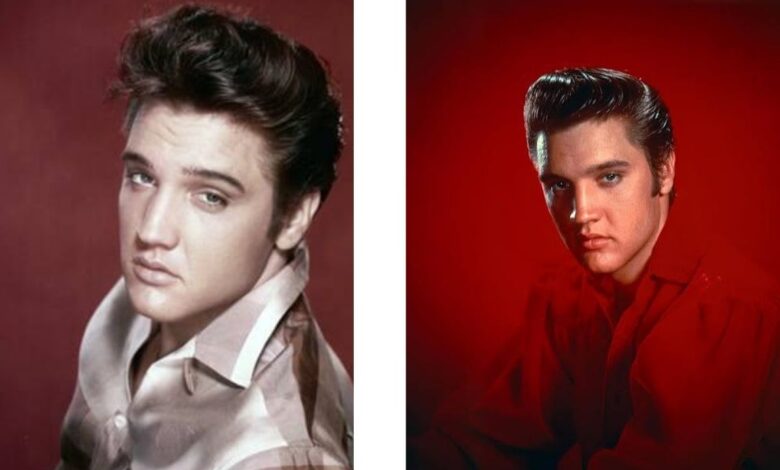
The profound historical legacy of iconic cultural superstar Elvis Presley represents one of the most celebrated, influential, and transformative chapters in modern entertainment history. Recognized as a pioneering rock singer, charismatic movie actor, and revolutionary performer, his extraordinary life redefined global pop culture, recorded music, and live performance during the twentieth century. Over his active tenure in recording studios and concert stages, he broke sales records, blended diverse musical genres, and inspired millions through his magnetic presence. This comprehensive biographical study examines his Mississippi childhood, early recording breakthroughs, Hollywood film career, dramatic stage comeback, tragic personal decline, and lasting worldwide impact.
Quick Bio
| Attribute | Details |
| Full Birth Name | Elvis Aaron Presley |
| Date of Birth | January 8, 1935 |
| Place of Birth | Tupelo, Mississippi, U.S. |
| Date of Death | August 16, 1977 |
| Place of Death | Memphis, Tennessee, U.S. |
| Primary Professions | Singer, Musician, Actor |
Early Life in Tupelo Mississippi
Born in Tupelo, Mississippi, in January 1935, young Elvis Presley grew up in a modest two-room house built by his working-class father. Raised as an only child following the tragic stillbirth of his twin brother Jesse, he formed an exceptionally close bond with his mother Gladys. Attending local Assembly of God church services regularly, he absorbed energetic gospel music that deeply influenced his developing vocal style. Receiving his first acoustic guitar at age eleven, he taught himself basic chords by ear. These humble childhood experiences cultivated his lifelong musical passion, deep personal humility, and lasting spiritual devotion.
Musical Awakening in Memphis Tennessee
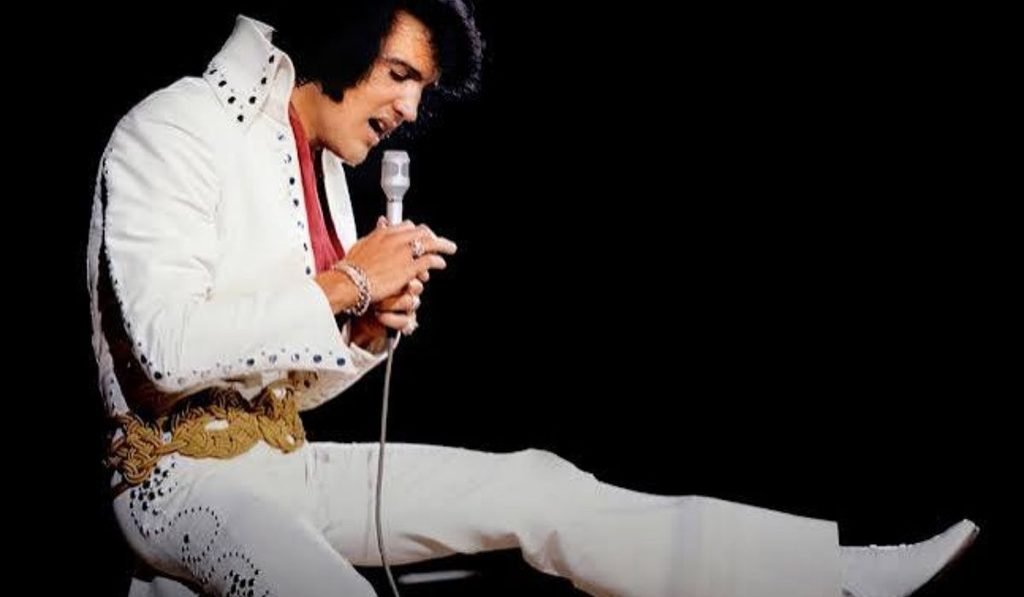
Moving with his family to Memphis in 1948, ambitious youth Elvis Presley immersed himself in the rich regional music scene of Beale Street. Attending local Humes High School, he adopted a distinctive personal style featuring long sideburns, slicked hair, and colorful clothing purchased from local shops. He listened eagerly to blues, country, rhythm and blues, and gospel records, synthesizing various musical traditions into a unique vocal sound. Winning a high school talent show performance in 1953 boosted his confidence, convincing him to pursue professional musical opportunities despite having no formal training in reading musical notation.
The Sun Records Discovery Session
Visiting the Memphis Recording Service studio in July 1953, teenage truck driver Elvis Presley paid four dollars to record two private songs. Studio owner Sam Phillips noted his unusual vocal talent and invited him back in July 1954 to rehearse with guitarist Scotty Moore and bassist Bill Black. During a casual studio break, he launched into an uptempo version of Arthur Crudup’s blues track “That’s All Right”. Recognized instantly by Phillips as the breakthrough fusion of country and blues he was searching for, the recording was released on Sun Records, launching his career.
Forging the Classic Rockabilly Sound
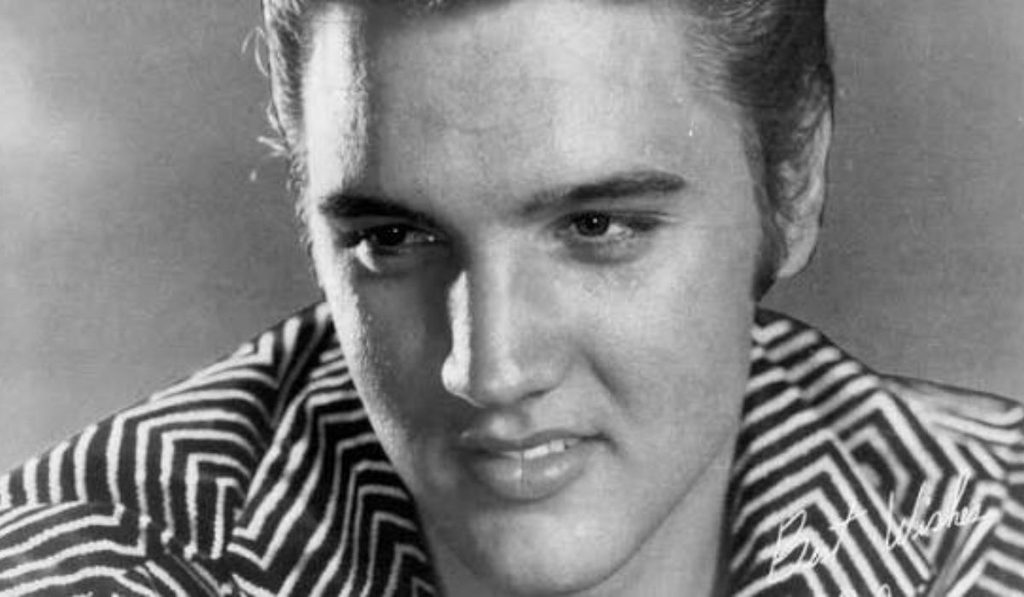
Touring regional venues across the American South throughout 1954 and 1955, dynamic performer Elvis Presley developed the high-energy sound known as rockabilly. Accompanied by his small backing band, his energetic stage movements and distinctive vocal hiccup style caused wild reactions among teenage audiences. Regular appearances on the influential Louisiana Hayride radio program expanded his growing fanbase across several southern states. His innovative blend of African American rhythm and blues with white country instrumentation broke down traditional musical barriers, establishing him as the leading national pioneer of the newly emerging rock and roll genre.
Signing with RCA and Colonel Parker
Attracting national music industry attention in late 1955, rising star Elvis Presley signed a major management agreement with Colonel Tom Parker. Parker negotiated a lucrative contract transfer from Sun Records to major label RCA Victor for an unprecedented thirty-five thousand dollars. His first RCA studio recording session in January 1956 produced “Heartbreak Hotel,” which rapidly climbed to the top spot on national music charts. Parker’s shrewd promotional strategies, aggressive merchandising deals, and television booking tactics quickly transformed the young singer into an international entertainment phenomenon and top-selling recording star.
Television Debates and Sensational Fame
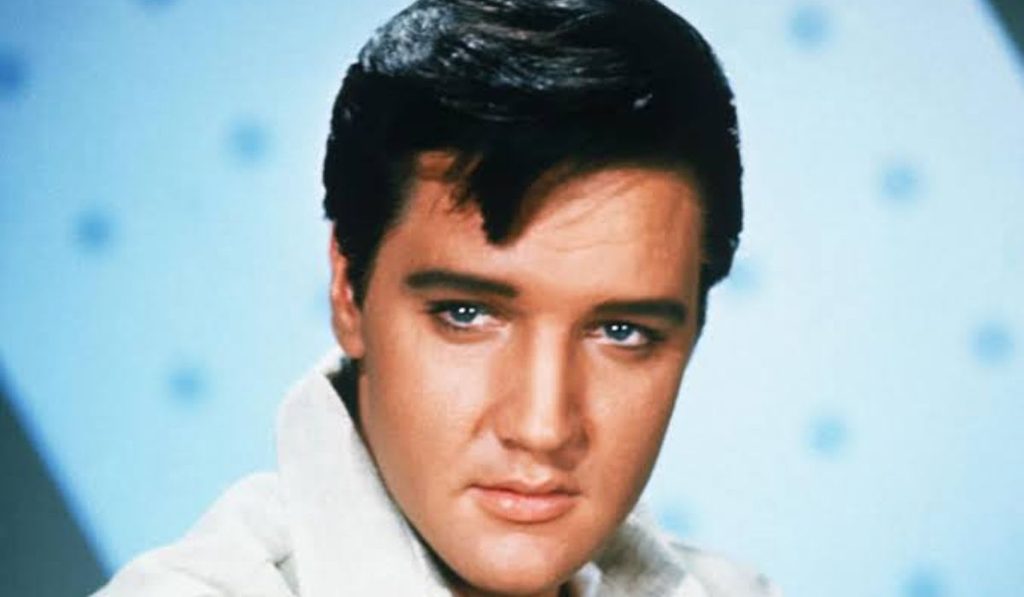
Appearing on national television shows like The Ed Sullivan Show during 1956, teenage idol Elvis Presley created widespread cultural controversy. Conservative critics condemned his suggestive hip movements and passionate performance style as dangerous to youth morality. Television cameras were frequently instructed to film him only from the waist up to satisfy worried network censors. Despite generational moral outrage, his television appearances drew record-breaking viewership numbers, driving massive sales of hit singles like “Hound Dog” and “Don’t Be Cruel” while cementing his position as the undisputed king of youth culture.
The Move to Hollywood and Film Debut
Fulfilling his ambition to enter motion pictures in late 1956, multi-talented artist Elvis Presley made his acting debut in the Western movie Love Me Tender. The film was an enormous box-office success, driven by his title song recorded for the soundtrack EP. He quickly followed with critically acclaimed movie performances in Loving You, Jailhouse Rock, and King Creole. Demonstrating genuine dramatic potential alongside his natural musical charisma, these early motion pictures proved that his massive appeal extended smoothly from record players to international cinema screens across the globe.
Purchasing Graceland Estate in Memphis
Seeking privacy and comfort for his family in March 1957, wealthy superstar Elvis Presley purchased the iconic Graceland mansion in Memphis. Set on nearly fourteen acres of land, the classical residence became his permanent home and personal sanctuary from overwhelming media attention. He customized the property with unique themed rooms, security gates, and living accommodations for his close inner circle, known as the “Memphis Mafia.” Graceland reflected his intense loyalty to his roots, serving as a peaceful refuge where he could relax surrounded by family members, childhood friends, and trusted employees.
Military Service and European Tour
Drafted into the United States Army in March 1958, top-charting celebrity Elvis Presley put his booming entertainment career on complete hold. Rejecting offers of special entertainment duties, he served as an ordinary armor crewman assigned to the 3rd Armored Division in West Germany. During his military tenure, he met young Priscilla Beaulieu, whom he eventually married years later in 1967. His honorable military service earned him widespread public respect from older generations who had previously criticized his music, softening his controversial image and establishing him as a patriotic American icon.
Post-Army Return and Billboard Hits
Discharged from active military duty in March 1960, returning hero Elvis Presley resumed his recording and filming career immediately. He scored instant number-one hit singles with pop ballads like “Stuck on You,” “It’s Now or Never,” and “Are You Lonesome Tonight?”. His vocal technique displayed greater maturity and power, expanding his commercial appeal to broader adult audiences. Re-establishing his dominance across international music charts, his post-army recordings proved that two years away from public life had done nothing to diminish his massive global popularity or artistic star power.
The Sixty-Sixty Hollywood Movie Era
Focusing heavily on feature films throughout the 1960s, prolific actor Elvis Presley starred in over twenty lightweight musical comedies for major studios. Titles like Blue Hawaii, Viva Las Vegas, and Roustabout generated substantial box-office profits and successful soundtrack albums. However, the formulaic nature of these film roles kept him away from live concert touring for seven long years. While he became the highest-paid actor in Hollywood during this decade, he grew increasingly frustrated with the repetitive film scripts and lack of artistic growth in his movie career.
The 1968 NBC Comeback Special
Staging a dramatic artistic comeback in December 1968, revitalized performer Elvis Presley starred in a televised special on the NBC network. Dressed in a sleek black leather suit, he performed energetic stand-up songs alongside an intimate jam session with his original sidemen. The television special delivered outstanding critical acclaim and massive ratings, proving to the world that his raw rock and roll power remained fully intact. The triumphant performance marked the end of his formulaic movie era and signaled his dynamic return to live stage entertainment.
The Las Vegas Residency Conquest
Opening at the International Hotel in July 1969, dynamic entertainer Elvis Presley began his legendary era of Las Vegas concert residencies. Backed by a large orchestra, gospel backing groups, and a tight rock band, he delivered electric live performances clad in elaborate jewel-encrusted jumpsuits. He broke all local attendance records, performing hundreds of sold-out shows to millions of enthusiastic concertgoers over the following years. His triumphant Las Vegas era redefined modern residency entertainment, proving that a mature artist could maintain absolute musical dominance through grand live spectacle.
The Historic Aloha from Hawaii Broadcast
Reaching global television audiences in January 1973, international superstar Elvis Presley headlined the landmark Aloha from Hawaii via Satellite concert. Broadcast live to over forty countries across Asia and Europe, the special drew an estimated one billion viewers worldwide. His dazzling musical performance raised substantial funds for cancer research while setting new technical benchmarks for global entertainment broadcasts. The concert represented the absolute peak of his global stardom, demonstrating his unprecedented international popularity as a beloved musical icon whose art transcended geographic and cultural boundaries.
Gospel Music Triumphs and Grammy Awards
Finding deep personal peace in spiritual music throughout his life, dedicated vocalist Elvis Presley recorded several acclaimed gospel music albums. Tracks recorded for albums like His Hand in Mine, How Great Thou Art, and He Touched Me showcased his soul-stirring vocal range. Remarkably, despite his dozens of rock and pop chart-toppers, all three of his competitive Grammy Awards were awarded for his sacred gospel recordings. His lifelong devotion to gospel highlighted his genuine artistic depth and personal connection to the spiritual roots of American music.
Intense Touring Schedule and Exhaustion
Maintaining an exhausting concert tour schedule throughout the mid-1970s, hardworking musician Elvis Presley performed dozens of live shows across the United States every year. Driven by his desire to connect directly with fans, he pushed himself through grueling travel routines despite worsening physical health. The endless strain of continuous touring, combined with the emotional toll of his 1973 divorce from Priscilla, created deep personal isolation. Nevertheless, his commitment to his audience remained absolute, ensuring that he delivered passionate vocal performances even while battling severe physical fatigue behind the scenes.
Health Struggles and Private Isolation
Battling severe medical issues during his final years, ailing artist Elvis Presley suffered from hypertension, liver problems, and chronic insomnia. Dependent on heavy prescription medications managed by private doctors, his physical health deteriorated rapidly alongside significant weight fluctuations. He retreated increasingly into the private upstairs quarters of Graceland, surrounding himself with a small group of protective associates. Despite these escalating health crises, he continued to record music in his home studio and fulfill demanding live concert commitments, demonstrating remarkable personal stubbornness and dedication to his art.
Tragic Passing at Graceland Estate
Passing away suddenly on August 16, 1977, at age forty-two, cultural legend Elvis Presley was discovered unresponsive at his Graceland estate. News of his untimely death shocked the world, prompting tens of thousands of mourning fans to travel to Memphis to pay their final respects outside his gates. President Jimmy Carter issued an official statement praising him for permanently altering American pop culture. Entombed alongside his parents at Graceland, his death marked a tragic end to a phenomenal career that had redefined global entertainment.
Preserving Graceland and Posthumous Success
Opening Graceland to the public in 1982, his estate preserved Elvis Presley‘s legacy while creating one of the most visited historic home museums in the United States. Managed effectively by his family, his catalog continued to generate massive record sales, chart-topping remixes, and successful archival documentary releases. Posthumously inducted into the Rock and Roll Hall of Fame, Country Music Hall of Fame, and Gospel Music Hall of Fame, his enduring commercial success proved that his extraordinary cultural impact remained completely unaffected by the passage of time.
Enduring Legacy in Global Popular Culture
Reflecting on the monumental career of Elvis Presley confirms his permanent standing as an eternal titan of modern music and popular culture. By bridging racial and musical divides in the 1950s, he laid the commercial foundation for modern rock and roll and global pop stardom. Selling over five hundred million records worldwide, his iconic voice, style, and charismatic image remain instantly recognizable across generations. His life stands as a timeless symbol of American creative energy, proving that authentic musical expression can transform global culture forever.
Frequently Asked Questions
- Who was Elvis Presley?
- Elvis Presley was an American singer and actor, widely regarded as the “King of Rock and Roll” and one of the most significant cultural icons of the twentieth century.
- Where was Elvis Presley born and raised?
- He was born in Tupelo, Mississippi, and moved with his family to Memphis, Tennessee, at age thirteen.
- What was the name of Elvis Presley’s famous Memphis estate?
- His famous estate in Memphis, Tennessee, is named Graceland, which he purchased in 1957.
- How many Grammy Awards did Elvis Presley win during his lifetime?
- He won three competitive Grammy Awards, all awarded for his gospel music recordings.
- Where can readers find additional official biographical information regarding his life?
- Detailed historical records, discography archives, and official summaries are available on his dedicated page on