Who Is Zohran Mamdani?
Zohran Mamdani is the 112th mayor of New York City and a prominent progressive political figure. Born in Kampala, Uganda, he later grew up in New York and developed political interests around housing, affordability, community organizing, and economic equality. He became mayor on January 1, 2026, after winning the 2025 mayoral election. His rise from community advocate and state legislator to City Hall has attracted significant national attention. His background, political philosophy, and policy priorities have made his career particularly notable in modern New York politics.
| Quick Bio | Details |
|---|---|
| Full Name | Zohran Kwame Mamdani |
| Born | October 18, 1991 |
| Birthplace | Kampala, Uganda |
| Profession | Politician |
| Current Position | Mayor of New York City |
| Political Party | Democratic Party |
| Political Identity | Democratic Socialist |
| Education | Bowdoin College |
| Previous Office | New York State Assembly |
| Mayor Since | January 1, 2026 |
| Known For | Progressive economic policies |
Zohran Mamdani Early Life and Childhood
Zohran Mamdani was born on October 18, 1991, in Kampala, Uganda. His parents are academic Mahmood Mamdani and filmmaker Mira Nair, giving him a family background connected to education, scholarship, and international cinema. He spent part of his childhood outside the United States before becoming closely connected to New York City. His international upbringing exposed him to different cultures and communities. Those experiences later became an important part of his public identity and helped shape his understanding of multicultural communities.
Zohran Mamdani Family Background
Zohran Mamdani comes from a family with Indian heritage and strong international connections. His father, Mahmood Mamdani, is a prominent academic, while his mother, Mira Nair, is an internationally recognized filmmaker. Their professional backgrounds exposed him to education, culture, politics, and global perspectives from an early age. His family story contributes to the wider significance of his political career. His background combines an African birthplace, South Asian heritage, American political life, and experiences across several cultures.
Education in New York
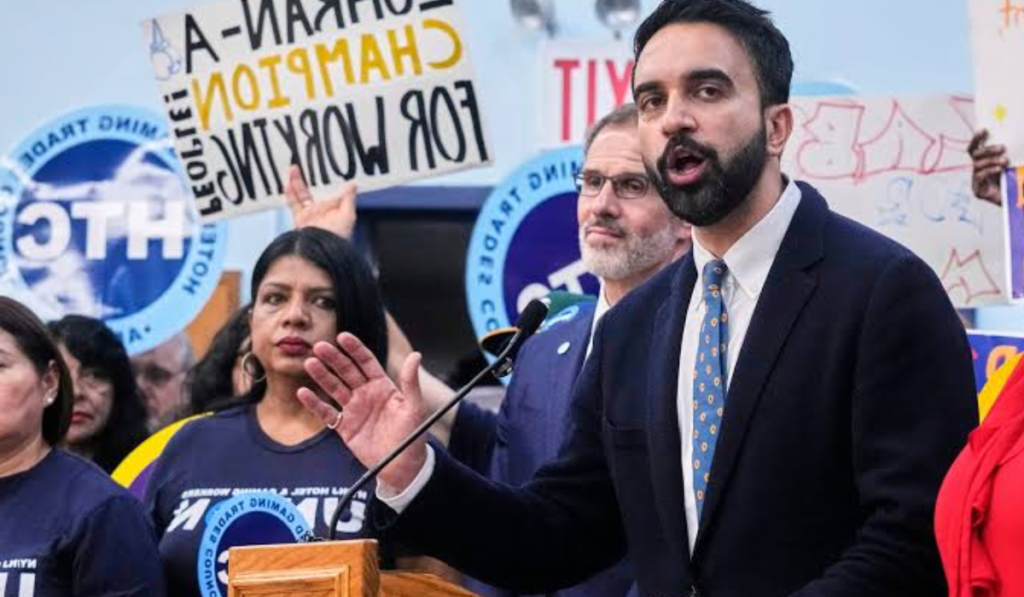
His education included studies at the Bank Street School for Children and the Bronx High School of Science. During his school years, he developed interests in community activities and politics. He also helped establish a cricket team at the Bronx High School of Science. These experiences strengthened his connection with New York’s diverse communities. His educational journey eventually took him to Bowdoin College in Maine, where his academic and political interests became more developed.
College Years at Bowdoin
He attended Bowdoin College and graduated in 2014 with a degree in Africana Studies. College became an important period for his intellectual and political development. He became involved in student activism and developed deeper interests in race, inequality, international politics, and social justice. His academic background later influenced themes appearing throughout his political career. Instead of immediately entering conventional government work, he explored community organizing and advocacy, gaining experience that eventually became central to his public-service career.
Early Career Before Politics
Before becoming an elected official, Zohran Mamdani worked in organizing and community advocacy. His early professional experiences were connected to economic inequality and housing insecurity. Rather than entering politics through a conventional government career, he spent time working with communities facing financial and social pressures. These experiences provided direct exposure to challenges affecting tenants, workers, immigrants, and families. They also helped him understand how government decisions can influence people’s everyday lives.
Housing Counseling Experience
One important early role involved working as a foreclosure-prevention housing counselor for Chhaya, a nonprofit serving South Asian communities in Queens. This position brought him into direct contact with residents experiencing housing and financial difficulties. The experience became an important foundation for his later political message about affordability. Housing remained a major theme throughout his political rise. His work with residents helped shape his understanding of the practical challenges facing New York households.
Entry Into the New York Assembly
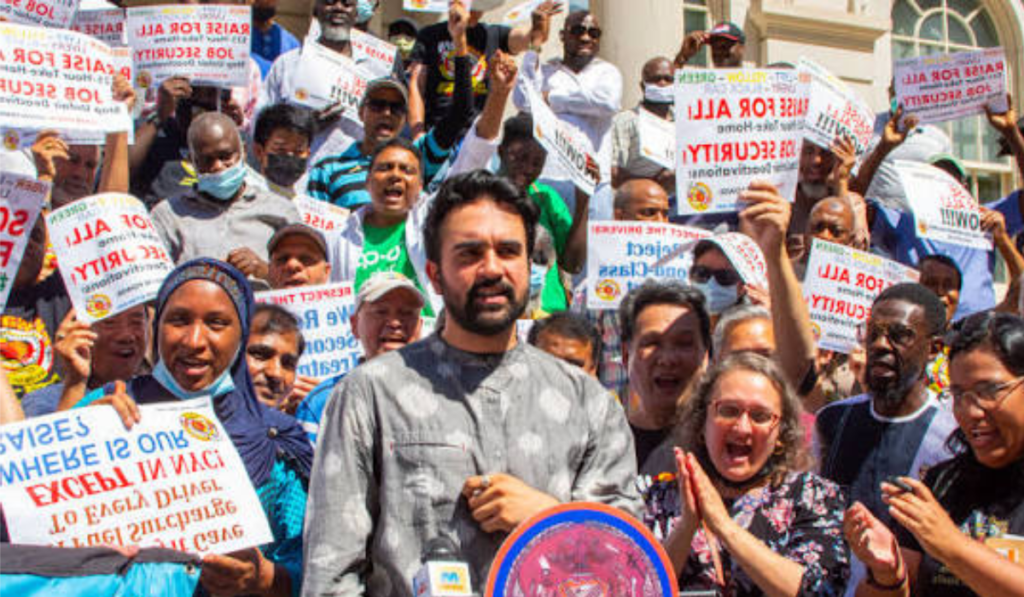
Zohran Mamdani entered electoral politics through the New York State Assembly. He represented the 36th Assembly District, including communities such as Astoria, Ditmars-Steinway, and Astoria Heights. His legislative career allowed him to develop a public record around housing, workers, transportation, and economic fairness. Serving in Albany also gave him experience with legislation, political negotiations, and constituent concerns. That experience later became valuable as he moved toward the larger responsibility of leading New York City.
Zohran Mamdani Democratic Socialist Identity
Zohran Mamdani identifies as a democratic socialist, a political identity that became central to his mayoral campaign. His platform emphasized government action to address high living costs and expand public services. Supporters viewed this approach as a response to inequality and the affordability crisis affecting many residents. Critics questioned the feasibility and cost of some proposals. Regardless of political opinion, his democratic-socialist identity distinguished him from more traditional Democratic candidates.
Progressive Political Philosophy
His political reputation has been built around progressive ideas involving affordability, workers, public services, and economic fairness. His messaging frequently connects political decisions with everyday expenses such as rent, transportation, childcare, food, and wages. This approach helped him communicate with voters concerned about household budgets. Rather than focusing only on broad ideological debates, his political style often connects policy proposals to practical issues affecting working families throughout New York City.
The 2025 Mayoral Campaign
The 2025 mayoral campaign became a major turning point in Zohran Mamdani’s political career. He presented himself as a candidate focused on working-class New Yorkers and the rising cost of living. His campaign relied heavily on grassroots organizing, digital communication, and an affordability-focused message. This strategy helped him gain attention beyond his previous Assembly district. What began as an unconventional campaign eventually developed into one of the most closely watched political contests in New York City.
Democratic Primary Victory
A major breakthrough came when Zohran Mamdani defeated former Governor Andrew Cuomo in the Democratic mayoral primary. The result demonstrated the strength of his grassroots organization and progressive message. Cuomo entered the contest with extensive name recognition and years of experience in New York politics. The primary showed that a younger candidate with an energetic campaign and strong digital presence could successfully challenge a well-established political figure.
Historic Mayoral Election Victory
His victory in the 2025 New York City mayoral election became a major moment in the city’s political history. He defeated former Governor Andrew Cuomo and Republican Curtis Sliwa. At age 34, Zohran Mamdani became the youngest New York City mayor in more than a century. He also became the city’s first Muslim mayor, first South Asian mayor, and first mayor born in Africa. The election attracted national and international attention.
Becoming New York City Mayor
Zohran Mamdani officially became mayor on January 1, 2026. Moving from campaigning to governing brought an entirely different level of responsibility. The mayor oversees a huge municipal government responsible for public safety, schools, transportation, housing, sanitation, parks, health programs, and economic development. His administration must turn campaign promises into practical policies while working with city agencies, the City Council, Albany, and federal authorities.
Affordability as a Central Priority
Affordability has remained one of the defining themes of Zohran Mamdani’s political agenda. New York City’s high rents, food prices, childcare expenses, and transportation costs create significant pressure for many households. His administration has sought to address these burdens through policies involving housing, transportation, childcare, and essential services. The central challenge is implementing ambitious ideas while operating within legal, financial, and administrative constraints.
Housing and Rent Issues
Housing affordability has been closely connected to Zohran Mamdani’s political identity. He has argued that New Yorkers need stronger protections against rising housing costs and unsafe living conditions. His administration has emphasized housing enforcement and protections for residents. However, housing policy is complicated by state laws, construction costs, zoning rules, and economic conditions. The administration’s performance on housing will remain one of the most closely observed parts of his mayoral record.
Childcare and Family Support
Affordable childcare has also been an important part of Zohran Mamdani’s political agenda. Childcare costs can place significant pressure on working families, particularly in a high-cost city such as New York. His administration has emphasized programs designed to support parents and caregivers. Delivering major improvements requires funding, facilities, qualified workers, and cooperation between different levels of government. The issue represents one of the broader challenges of transforming campaign promises into sustainable public services.
Public Transportation Vision
Zohran Mamdani has emphasized public transportation as an important part of improving everyday life in New York City. Reliable and affordable transit helps residents reach workplaces, schools, businesses, and essential services. Better bus routes, faster service, and improved street infrastructure can also support local economies. Transportation policy is closely connected to affordability because commuting costs affect household budgets. Improving transit access can therefore help create a more connected and accessible city for residents across all five boroughs.
Grocery Stores and Food Access
Food affordability is another important issue in discussions surrounding Zohran Mamdani’s administration. Many households face pressure from rising grocery costs, making affordable food access increasingly important. His policy agenda has included ideas intended to give residents more affordable options in neighborhoods where food prices or access can be challenging. Better food availability can strengthen communities while helping families manage monthly expenses. These efforts fit into a broader affordability strategy focused on essential needs.
Public Safety Approach
Public safety remains one of the most important responsibilities of city government. Zohran Mamdani’s approach combines attention to community needs with the need for effective emergency services and law enforcement. Safer neighborhoods depend on policing, prevention, social services, education, housing stability, and community partnerships. Balancing reform with residents’ expectations for safety can be challenging. The administration’s ability to maintain public confidence while addressing crime and community concerns will remain an important measure of its leadership.
Economic Development Plans
Economic development plays a major role in New York City’s future. Supporting investment, entrepreneurship, innovation, and employment can help maintain the city’s position as a global economic center. Zohran Mamdani’s broader economic approach connects affordability with opportunities for workers and businesses. Reliable infrastructure, housing availability, education, and transportation can all influence economic growth. A strong local economy can provide more employment opportunities while strengthening neighborhoods and generating resources for public services.
Budget and Financial Challenges
Managing New York City’s enormous municipal budget requires careful planning and responsible financial decisions. City government must fund education, transportation, housing, sanitation, public safety, healthcare, and other essential services. Zohran Mamdani’s administration must balance ambitious policy goals with available resources. Economic changes can also create unexpected pressure on city finances. Maintaining fiscal stability while investing in priorities will be one of the most important challenges facing the administration during its time in office.
Government Efficiency Initiatives
Government efficiency is another important consideration for Zohran Mamdani’s administration. Streamlining bureaucracy, reducing unnecessary paperwork, improving technology, and making agencies more responsive can improve residents’ experiences. Efficient government can also help officials use public resources more effectively. Modern digital services may allow residents to access information and complete applications more easily. Administrative improvements can therefore complement larger policy goals by making city government more accessible, transparent, and responsive to the public.
Small Business Support
Small businesses are essential to the economic and social life of New York neighborhoods. Zohran Mamdani has highlighted the importance of supporting entrepreneurs, workers, and local commercial communities. Simplified regulations, clearer permitting processes, financial assistance, and business development programs can help owners manage challenges. Local businesses create employment while providing goods and services to residents. A healthy small-business environment can contribute to stronger neighborhoods and broader economic growth across the city.
Zohran Mamdani Leadership Style
Zohran Mamdani has developed a leadership style influenced by grassroots organizing, progressive politics, and direct communication. His political rise showed the importance of connecting policy proposals with everyday concerns. As mayor, however, leadership requires managing large agencies, negotiating with other officials, and responding to complex challenges. His ability to combine political vision with practical administration will be important. Strong leadership ultimately depends on turning campaign priorities into effective policies that produce measurable results.
Communication With Residents
Communication is an important part of modern city leadership. Social media, public events, press conferences, community meetings, and digital platforms allow officials to communicate directly with residents. Zohran Mamdani’s political career has demonstrated the value of accessible digital communication. Maintaining that connection while governing a city of millions can be challenging. Clear explanations of policies, transparent updates, and responses to public concerns can help strengthen confidence between City Hall and the communities it serves.
National Political Influence
The rise of Zohran Mamdani has attracted attention beyond New York City. His political approach has generated discussion about affordability, progressive economics, younger voters, immigrant representation, and urban government. Because New York is one of America’s most influential cities, its political developments are closely watched nationwide. The administration’s performance may influence debates about how progressive candidates approach city government and whether affordability-focused campaigns can translate successfully into governing results.
Support From Diverse Communities
New York City contains communities representing numerous cultures, religions, languages, and national backgrounds. Zohran Mamdani’s personal background has helped make his political story particularly meaningful to some immigrant and minority communities. However, governing the city requires serving residents across every borough and demographic group. Building broad support depends on inclusive policies, public engagement, and effective delivery of services. A mayor must balance individual community concerns with the wider interests of the entire city.
Criticism and Political Challenges
Like any major political leader, Zohran Mamdani faces criticism from opponents and political observers. Questions can arise over the cost, feasibility, timing, and potential consequences of ambitious policies. Governing New York also requires navigating state laws, budget limitations, political disagreements, and complex administrative systems. Criticism is a normal part of democratic government, and public debate can help expose weaknesses in proposed policies. How the administration responds to disagreements will influence its public reputation.
Future Goals
The future of New York City will depend on continued attention to housing, transportation, education, public safety, economic development, and infrastructure. Zohran Mamdani’s administration has an opportunity to pursue long-term reforms while addressing immediate concerns. Successful planning requires cooperation between city agencies, the City Council, state officials, businesses, nonprofit organizations, and residents. Sustainable policies must also account for changing economic conditions and the needs of a growing and diverse population.
Lasting Legacy
The lasting legacy of Zohran Mamdani will ultimately depend on measurable results rather than campaign visibility alone. Future evaluations may consider housing affordability, public transportation, public safety, employment, government efficiency, fiscal management, and the quality of city services. Historical milestones can make a political career notable, but long-term achievements determine how leaders are remembered. If major reforms produce lasting benefits, they could become an important part of New York City’s political history.
Political Career Growth
The political career of Zohran Mamdani developed through community advocacy, housing work, grassroots organizing, and elected service. Each stage provided different experiences that shaped his approach to government. His early work gave him direct exposure to residents’ concerns, while his time in the State Assembly provided legislative experience. His mayoral campaign then expanded that local political foundation into a citywide movement. This progression demonstrates how community-based activism can develop into significant public leadership.
Connection With Working Families
Working families remain central to many of the affordability debates surrounding Zohran Mamdani. Rent, childcare, food, transportation, and other expenses can consume a large share of household income. Policies designed to reduce these pressures may appeal to residents seeking practical improvements in daily life. The challenge is ensuring that assistance programs remain sustainable and reach the people who need them. Measuring real household savings will be important when evaluating the success of affordability policies.
Immigration and Representation
Immigration and representation are important parts of New York City’s political identity. As a city shaped by generations of immigrants, New York has long been a place where different cultures influence public life. Zohran Mamdani’s international background has added another dimension to this history. His career has contributed to conversations about immigrant participation in American democracy and the role of diverse communities in local government. Representation can also encourage younger residents to participate more actively in civic life.
South Asian Political Representation
South Asian communities have become increasingly visible in New York’s cultural, business, and political life. Zohran Mamdani’s background has attracted attention from people who view his rise as a significant milestone for South Asian representation. Political representation can strengthen community engagement and encourage more residents to participate in elections and public service. At the same time, citywide leadership requires serving people from every background, making inclusiveness an essential part of effective governance.
Muslim Representation
The election of Zohran Mamdani also became an important moment for Muslim representation in American municipal politics. New York City’s Muslim population includes people from many ethnic and national backgrounds. His election demonstrated the growing role of Muslim Americans in civic and political life. His mayoral position also brings attention to the importance of inclusive democratic participation. Representation can have a lasting effect by encouraging young people from underrepresented communities to consider careers in public service.
Youth and Political Engagement
Young voters have become increasingly influential in modern political campaigns. Zohran Mamdani’s rise demonstrated how social media, grassroots organizing, and direct communication can attract younger audiences. Issues such as housing costs, employment, climate concerns, and economic opportunity are particularly important to many younger voters. Increased youth participation can influence future elections and encourage a new generation of activists, organizers, and political candidates to become involved in community affairs.
Digital Campaign Strategy
Digital communication played an important role in the political rise of Zohran Mamdani. Online videos, social media posts, digital organizing, and direct engagement helped make policy ideas accessible to large audiences. Digital platforms can allow candidates to communicate without relying entirely on traditional media organizations. However, online popularity must eventually be supported by effective organization and voter participation. The campaign demonstrated how modern political communication can change the way candidates build recognition and connect with communities.
Grassroots Organizing
Grassroots organizing played an important role in Zohran Mamdani’s political development. Local volunteers, neighborhood events, community groups, and direct conversations with voters helped create strong relationships. Grassroots campaigns can be especially effective when candidates compete against better-known political figures. Community-based organizing allowed supporters to share campaign messages directly with friends, neighbors, and colleagues. This approach helped transform local enthusiasm into broader electoral support and demonstrated the importance of personal connections in modern city politics.
Relationship With New York Communities
New York City includes five boroughs with different cultures, economic conditions, and political priorities. Zohran Mamdani must therefore address concerns ranging from housing and transportation to public safety and employment. Issues affecting Manhattan may differ considerably from those affecting the Bronx, Brooklyn, Queens, or Staten Island. Building relationships throughout the city requires extensive outreach and communication. Effective leadership depends on demonstrating that city government can respond to residents regardless of their neighborhood or background.
Housing Construction and Supply
Housing affordability depends on more than rental prices. The availability of homes also influences the overall housing market. Increasing housing supply can become an important part of long-term affordability strategies. Construction, zoning, infrastructure, and neighborhood planning all influence development. Zohran Mamdani’s housing agenda must balance the demand for additional homes with community concerns about development and infrastructure. Sustainable housing policy requires cooperation among residents, planners, developers, and different levels of government.
Importance of Public Services
Public services have a direct effect on quality of life throughout New York City. Sanitation, parks, libraries, schools, transportation, emergency services, and healthcare programs affect residents every day. Zohran Mamdani’s administration must maintain these essential services while pursuing broader policy reforms. Reliable services require sufficient funding, trained employees, effective management, and modern infrastructure. Even when major political debates receive attention, the everyday performance of public agencies often has the greatest effect on residents’ satisfaction.
Education and Opportunity
Education remains closely connected to economic mobility and future opportunity. New York City’s school system serves a large and diverse student population. Improving educational outcomes requires quality teaching, adequate resources, student support, safe facilities, and family engagement. City government works alongside other institutions to support educational programs and young people. Strong educational opportunities can help students develop the skills needed for college, employment, entrepreneurship, and long-term financial independence.
Economic Equality
Economic inequality remains one of the major challenges facing New York City. The city contains significant wealth alongside communities experiencing serious financial pressure. Differences in income can influence access to housing, education, transportation, healthcare, and other opportunities. Zohran Mamdani’s focus on affordability and public services connects with broader discussions about economic equality. Long-term progress, however, requires employment opportunities, education, affordable housing, and inclusive economic growth in addition to government assistance.
Business and Employment
A strong employment market is essential to a healthy urban economy. New York depends on industries ranging from finance and technology to tourism, entertainment, healthcare, retail, and professional services. Zohran Mamdani’s administration must consider both employers and workers when developing economic policies. Workforce development can help residents gain skills for growing industries, while support for businesses can encourage job creation. A balanced approach can contribute to stable employment and stronger neighborhood economies.
Environmental Priorities
Environmental policy affects transportation, buildings, waste management, parks, energy use, and public health. New York’s population and dense urban environment make sustainable planning especially important. Expanding public transportation, improving energy efficiency, protecting green spaces, and reducing pollution can create long-term benefits. Environmental initiatives can also connect with affordability because transportation and energy costs affect household budgets. Effective environmental planning requires collaboration between government agencies, businesses, community organizations, and residents.
Public Trust
Public trust is essential for effective city government. Residents are more likely to support difficult decisions when they believe officials are transparent, accountable, and responsive. Zohran Mamdani’s administration must communicate clearly about policy choices, government spending, and expected outcomes. Maintaining trust also requires acknowledging mistakes and explaining how problems will be addressed. Consistent communication and measurable progress can strengthen the relationship between City Hall and the millions of people it serves.
Challenges Ahead
Zohran Mamdani faces complex challenges involving housing affordability, budget management, public safety, transportation, economic development, and government services. These issues are interconnected, meaning progress in one area can affect another. For example, expanding housing may require infrastructure improvements, while transportation investments can influence neighborhood development. Addressing these challenges requires long-term planning rather than quick solutions. Cooperation with the City Council, state government, federal authorities, businesses, and community organizations may also be necessary.
Measuring Political Success
Political success cannot be measured only by election victories or public popularity. Zohran Mamdani’s performance can eventually be evaluated through measurable outcomes such as housing availability, transportation reliability, public safety, employment, business growth, fiscal stability, and resident satisfaction. Clear performance indicators allow citizens to compare political promises with actual results. Over time, these measures can provide a more objective picture of whether the administration has successfully addressed the concerns that influenced voters.
Broader Impact on American Politics
The political rise of Zohran Mamdani extends beyond New York City. His campaign highlighted affordability, progressive economic policies, younger voters, immigrant representation, and digital organizing. Political leaders across the United States are watching how these themes perform in actual government. If his policies produce meaningful improvements, similar ideas could gain popularity in other cities. If major challenges emerge, political opponents may use those results to argue for different approaches to urban governance.
Historical Significance
The election of Zohran Mamdani represented several important milestones in New York City’s political history. His age, birthplace, South Asian heritage, and Muslim identity contributed to the historic nature of his victory. Such milestones can influence how younger generations view political participation and public leadership. However, historical significance is only one part of a mayoral legacy. The lasting importance of his administration will also depend on policies, measurable results, and the long-term effects on city residents.
Leadership and Accountability
Leadership in a city as large as New York requires both political vision and administrative accountability. Zohran Mamdani must work with numerous agencies and officials while responding to residents’ expectations. Accountability involves explaining decisions, monitoring programs, and correcting ineffective policies when necessary. Strong leadership also means accepting responsibility when government programs do not deliver expected results. Effective administration requires balancing ambitious goals with practical limitations and available public resources.
Role of City Government
The mayor’s office has broad responsibilities affecting millions of residents. City government manages or influences areas including sanitation, housing, transportation, public safety, parks, health programs, and economic development. Zohran Mamdani’s ability to coordinate these areas will be important to his overall record. Successful city government requires agencies to work together rather than operate independently. Coordination can reduce delays, improve service delivery, and make government programs easier for residents to access.
Future of Affordable Housing
Affordable housing is likely to remain one of the most closely watched parts of the administration. New York’s housing shortage, high rents, development costs, and tenant concerns create a complicated policy environment. Zohran Mamdani’s approach will be judged by whether residents can find stable housing at manageable costs. Long-term progress may require new construction, preservation of existing housing, tenant protections, and cooperation with state officials. No single policy is likely to solve the city’s housing challenges.
Future of Public Transportation
Transportation will continue to influence New York’s economy and quality of life. Millions of people rely on public transit to reach employment, education, healthcare, and entertainment. Zohran Mamdani’s administration can influence transportation through city streets, bus infrastructure, traffic policies, and cooperation with regional authorities. Improving reliability and accessibility could make commuting easier for residents while supporting economic activity. Transportation investment can also contribute to cleaner air and more sustainable urban development.
Community Participation
Community participation can strengthen local government by giving residents a voice in policy decisions. Public meetings, neighborhood organizations, advisory groups, and direct outreach allow officials to hear concerns before major decisions are finalized. Zohran Mamdani’s background in grassroots organizing makes community engagement especially relevant to his leadership approach. Meaningful participation requires more than listening; residents also want to see how their feedback influences decisions and government priorities.
Long-Term Political Outlook
The long-term political outlook for Zohran Mamdani will depend on how effectively his administration handles both opportunities and challenges. Early enthusiasm can create expectations that are difficult to maintain over several years. Delivering tangible improvements in affordability, public services, transportation, housing, and economic opportunity could strengthen his political standing. Conversely, implementation difficulties or fiscal problems could create criticism. His future reputation will ultimately depend on how campaign ideals translate into practical governance.
Zohran Mamdani and New York’s Future
Zohran Mamdani’s administration represents a new chapter in New York City’s political story. His background, progressive platform, grassroots experience, and historic election have made him a closely watched mayor. The city’s future will depend on how effectively his administration handles affordability, housing, transportation, public safety, education, business, and government efficiency. His tenure will provide an important case study in modern urban leadership and the ability of progressive policies to produce practical results.
Final Perspective
The journey of Zohran Mamdani from Kampala to New York City Hall is a distinctive political story involving immigration, community organizing, progressive politics, and historic representation. His rise has attracted national attention and created high expectations among supporters and critics alike. The most important part of his story is now his performance as mayor. Housing affordability, economic opportunity, public safety, transportation, fiscal responsibility, and government services will help determine how his leadership is remembered in the years ahead.
Zohran Mamdani and Working-Class Politics
Zohran Mamdani has built much of his political identity around issues affecting working-class residents. Housing costs, transportation, childcare, groceries, and wages are central concerns for many New Yorkers. His political message connects these everyday challenges with government policy. The broader goal is to make economic opportunity more accessible to residents who feel increasingly pressured by the city’s high cost of living.
Zohran Mamdani and Community Organizing
Community organizing played an important role in his path toward elected office. Speaking directly with residents helped him understand concerns that may not always appear in traditional political discussions. Organizing also taught him how volunteers, neighborhood groups, and local advocates can build support for policy changes. That experience became particularly valuable during his mayoral campaign, when grassroots participation helped expand his reach across New York City.
Zohran Mamdani and Political Representation
His election represents an important moment in New York City’s history of political representation. His background reflects the city’s immigrant character and its increasingly diverse population. His success has also encouraged conversations about the participation of South Asian and Muslim Americans in public life. Representation can provide communities with a greater sense of political inclusion while encouraging younger generations to consider careers in government and civic leadership.
Zohran Mamdani and Affordable Living
Affordable living remains one of the most important themes associated with his political agenda. New York is known for its economic opportunities, but high housing and everyday expenses can make life difficult for many residents. Policies involving housing, childcare, transportation, and food access are therefore closely connected. The administration’s long-term challenge is ensuring that affordability initiatives provide measurable benefits while remaining financially and administratively sustainable.
Zohran Mamdani and Small Businesses
Small businesses contribute significantly to the character and economy of New York neighborhoods. Restaurants, retailers, service providers, and independent entrepreneurs create employment and provide essential services. His administration has emphasized reducing unnecessary barriers and improving government support for business owners. Successful policies could make it easier for entrepreneurs to operate and grow. At the same time, city officials must balance business interests with worker protections, neighborhood needs, and consumer concerns.
Zohran Mamdani and Public Transit
Public transit is essential to New York’s economy because millions of people rely on buses and trains every day. Affordable and dependable transportation can improve access to jobs, schools, healthcare, and businesses. His broader affordability agenda therefore includes transportation as an important component. Improving transit connections and street infrastructure could help reduce commuting difficulties while supporting neighborhoods that depend heavily on public transportation.
Zohran Mamdani and Public Safety
Public safety remains a central responsibility of City Hall. Residents expect effective responses to crime, emergencies, and neighborhood concerns. His administration has also emphasized prevention and community-based approaches. Balancing public safety with reform priorities requires cooperation among law enforcement, social services, community organizations, and residents. The administration’s ability to maintain safe neighborhoods while building public trust will be an important factor in evaluating its performance.
Zohran Mamdani and Government Reform
Government reform can make public agencies more efficient and accessible. Modernizing technology, simplifying procedures, reducing unnecessary bureaucracy, and improving accountability can help residents receive services more easily. His administration has shown interest in examining government operations and identifying areas where improvements are possible. Effective reform could allow agencies to deliver better results without simply increasing spending, making efficiency an important part of the broader governing strategy.
Zohran Mamdani and Economic Opportunity
Economic opportunity is closely connected to housing, education, transportation, and employment. A city cannot remain economically strong if large numbers of residents cannot afford to live and work there. His policy approach emphasizes making opportunity more accessible to working families. Supporting small businesses, developing workforce programs, and improving public infrastructure can contribute to broader economic growth. Long-term success will depend on creating conditions where both employers and workers can prosper.
Zohran Mamdani and Youth Engagement
Young people have become an increasingly important part of modern political campaigns. His campaign demonstrated how digital platforms and grassroots communication can attract younger voters. Issues such as housing costs, employment opportunities, education, climate concerns, and economic mobility are particularly relevant to younger generations. Encouraging youth participation can strengthen democracy by helping new voters become more informed and engaged in community and political affairs.
Zohran Mamdani and Digital Politics
Digital communication has transformed political campaigning and public engagement. His rise demonstrated how social media can help a candidate communicate directly with voters and explain complex policy ideas in accessible ways. Online platforms can also help campaigns organize volunteers and spread information rapidly. However, digital visibility must eventually translate into effective administration. Governing requires detailed planning, agency coordination, budgeting, and implementation that extend well beyond social media communication.
Zohran Mamdani and New York’s Diversity
New York City’s diversity is one of its defining characteristics. Residents come from many cultural, religious, linguistic, and national backgrounds. His personal history reflects some of that international character. His leadership has therefore attracted attention from communities interested in representation and inclusion. Serving such a diverse population requires policies that recognize different needs while maintaining equal treatment and citywide priorities.
Zohran Mamdani and the Future of City Hall
The future of his administration will depend on its ability to turn ambitious ideas into practical results. City Hall must manage complex agencies while responding to millions of residents. Housing, public transportation, economic development, public safety, and government efficiency are all interconnected. Successful leadership requires both a clear political vision and the administrative ability to implement it. The coming years will provide a clearer picture of the administration’s effectiveness.
Zohran Mamdani’s Historical Importance
His historic election has already secured an important place in New York’s political history. His age, birthplace, heritage, and religious identity contributed to the significance of his victory. However, historical importance is not determined only by symbolic milestones. The lasting impact of his administration will depend on the policies it implements and the results residents experience. Future assessments will likely consider both his historic representation and his governing record.
Zohran Mamdani’s Political Legacy
Political legacies are created over time through decisions, achievements, challenges, and public outcomes. His legacy will likely be connected to affordability, housing, public services, progressive economic policy, and representation. If his administration successfully delivers lasting improvements, his tenure could influence future urban political movements. If major difficulties emerge, those challenges may become equally important to how his leadership is remembered.
Final Thoughts on Zohran Mamdani
The story of Zohran Mamdani combines international roots, community advocacy, legislative experience, progressive politics, and historic mayoral leadership. His rise reflects changing political priorities in New York City and the growing influence of affordability-focused campaigns. As mayor, he faces the difficult task of managing expectations while delivering practical improvements. His future reputation will ultimately depend on measurable results in housing, transportation, public safety, economic opportunity, and essential city services.
Frequently Asked Questions
1. Who is Zohran Mamdani? — • He is the 112th mayor of New York City and a former New York State Assembly member.
2. Where was Zohran Mamdani born? — • He was born in Kampala, Uganda, on October 18, 1991.
3. When did Zohran Mamdani become mayor? — • He was sworn in as New York City mayor on January 1, 2026.
4. What issues are associated with Zohran Mamdani? — • His political agenda emphasizes affordability, housing, transportation, childcare, workers, public services, and economic opportunity.
5. Why is Zohran Mamdani historically significant? — • His election marked major milestones in New York City politics involving his age, African birthplace, South Asian heritage, and Muslim identity.
For additional background, readers can explore the related Wikipedia page for Zohran Mamdani to learn more about his biography, education, political career, family background, and public life.