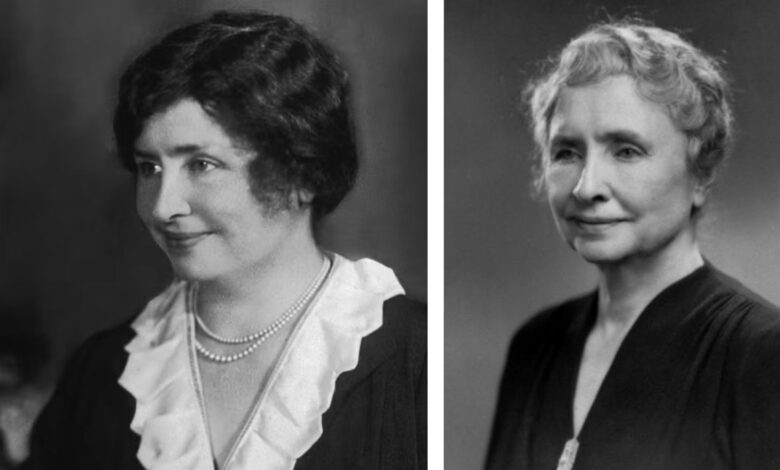
The remarkable story of Helen Keller remains one of the most powerful examples of human resilience, determination, and historical achievement. After losing both her sight and hearing during infancy, she faced seemingly insurmountable obstacles to communication and learning. Guided by her devoted teacher Anne Sullivan, she broke through total darkness to become a world-renowned author, political activist, and advocate for disability rights. Her lifelong dedication to social justice transformed public perception of disability worldwide. Exploring the extraordinary journey of Helen Keller provides valuable lessons about empathy, education, perseverance, and the timeless capacity of the human spirit to overcome adversity.
Quick Bio
| Field | Details |
| Name | Helen Adams Keller |
| Date of Birth | June 27, 1880 |
| Place of Birth | Tuscumbia, Alabama, U.S. |
| Date of Death | June 1, 1968 (aged 87) |
| Nationality | American |
| Profession | Author, Educator, Disability Rights Advocate, Political Activist |
| Known For | First deafblind person to earn a Bachelor of Arts degree; global advocate for blind and deaf communities |
| Years Active | 1903 – 1961 |
| Key Accomplishments | Co-founded Helen Keller International and the ACLU; awarded the Presidential Medal of Freedom (1964) |
Early Childhood and Sudden Loss of Sight and Hearing
Born in Tuscumbia, Alabama, the young girl Helen Keller entered the world as a healthy child with full sight and hearing. However, at nineteen months old, she contracted an unknown illness, likely scarlet fever or meningitis, that left her completely deaf and blind. The sudden loss isolated her from normal communication, causing her to communicate through crude home signs. As she grew older, her inability to express her needs often led to intense frustration and emotional outbursts. Her family sought specialized medical assistance across the country, eventually contacting experts who recommended finding a dedicated teacher for their daughter.
The Life-Changing Arrival of Anne Sullivan
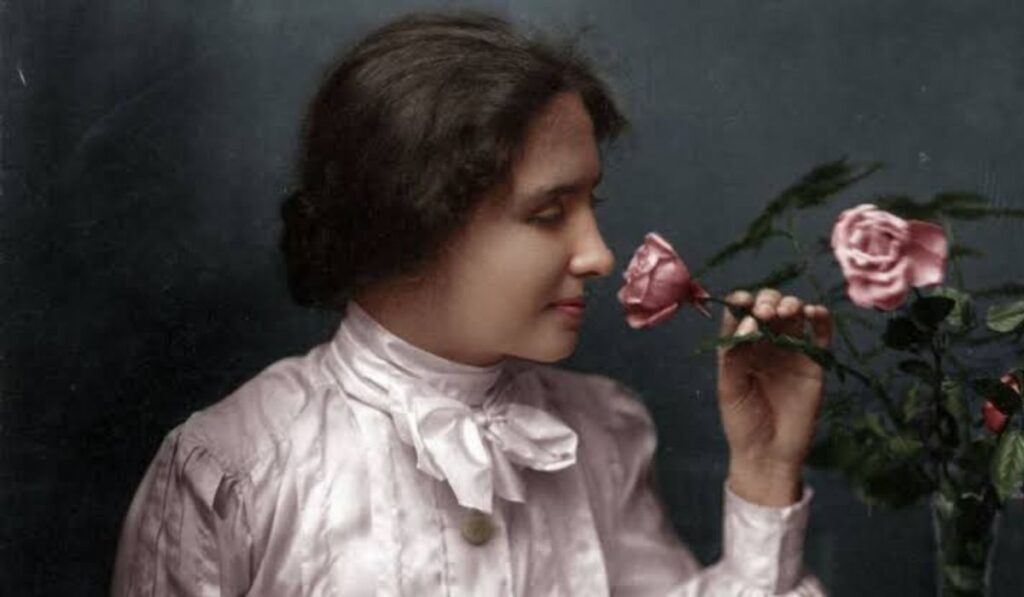
A pivotal moment occurred in March 1887 when teacher Anne Sullivan arrived at the family home to teach Helen Keller. Sullivan brought innovative tactile instruction methods, attempting to spell words into the child’s hand using manual finger spelling. Despite initial resistance, the breakthrough happened at the outdoor water pump when the young student connected the cool liquid flowing over one hand with the word spelled into the other. This transformative realization awakened her mind, opening immediate pathways to vocabulary, reading, writing, and structured thought. From that moment forward, her appetite for learning and understanding the world around her became limitless.
Mastering Tactile Reading and Communication Methods
Developing extraordinary literacy, the determined student Helen Keller mastered raised-print letters, Braille, and the manual alphabet in record time. She learned to read books in multiple languages, including English, French, German, and Latin, through tactile Braille volumes. To communicate with those who did not know finger spelling, she learned to read lips by placing her fingers lightly over a speaker’s mouth and throat to feel vibrations. Her relentless discipline allowed her to acquire complex language skills that surprised educators globally. Her rapid progress challenged existing educational theories regarding the capabilities of deafblind individuals throughout the late nineteenth century.
Pursuing Higher Education at Radcliffe College
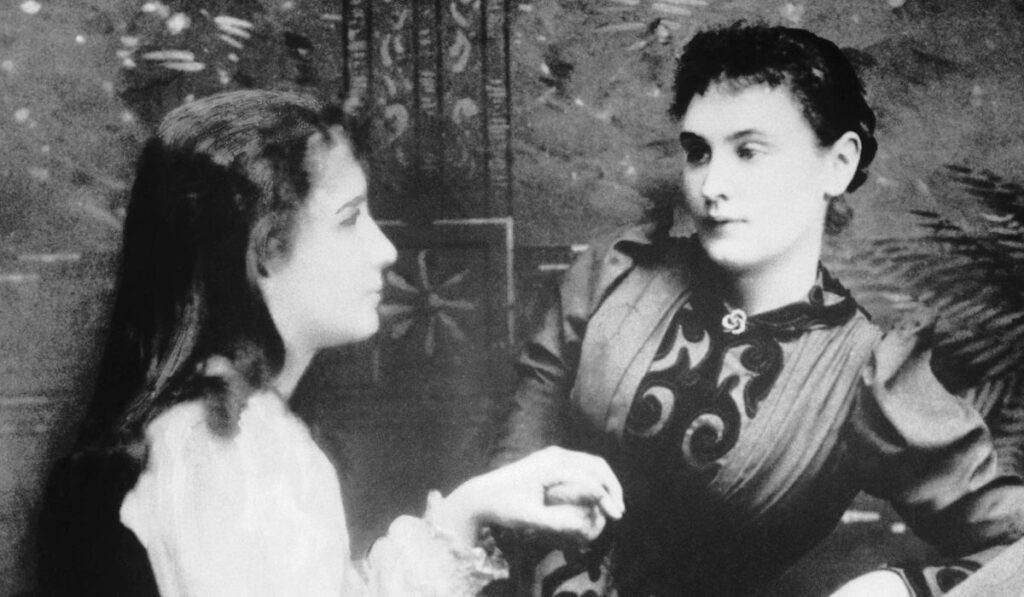
Breaking historical barriers in higher education, ambitious student Helen Keller enrolled at Radcliffe College in Massachusetts in 1904. Supported constantly by Anne Sullivan, who spelled lectures and textbook passages directly into her hand, she excelled in rigorous academic coursework. Her presence on campus challenged social norms and proved that severe sensory disabilities could not limit intellectual achievement. In 1904, she graduated cum laude, becoming the first deafblind individual to earn a Bachelor of Arts degree. Her historic collegiate success received international news coverage, inspiring educators to expand higher educational opportunities for students with physical disabilities.
Publication of The Story of My Life
Gaining literary prominence while still an undergraduate student, author Helen Keller published her famous autobiography, titled The Story of My Life, in 1903. The personal memoir detailed her early childhood struggles, the breakthrough with Anne Sullivan, and her ongoing educational achievements. Written in clear, expressive prose, the book provided intimate insights into her rich inner world and cognitive development. It became an immediate bestseller, eventually translated into dozens of foreign languages worldwide. The enduring popularity of the autobiography established her as a gifted writer and launched her lifelong career as a public figure and prominent global speaker.
Championing Disability Rights and Accessibility
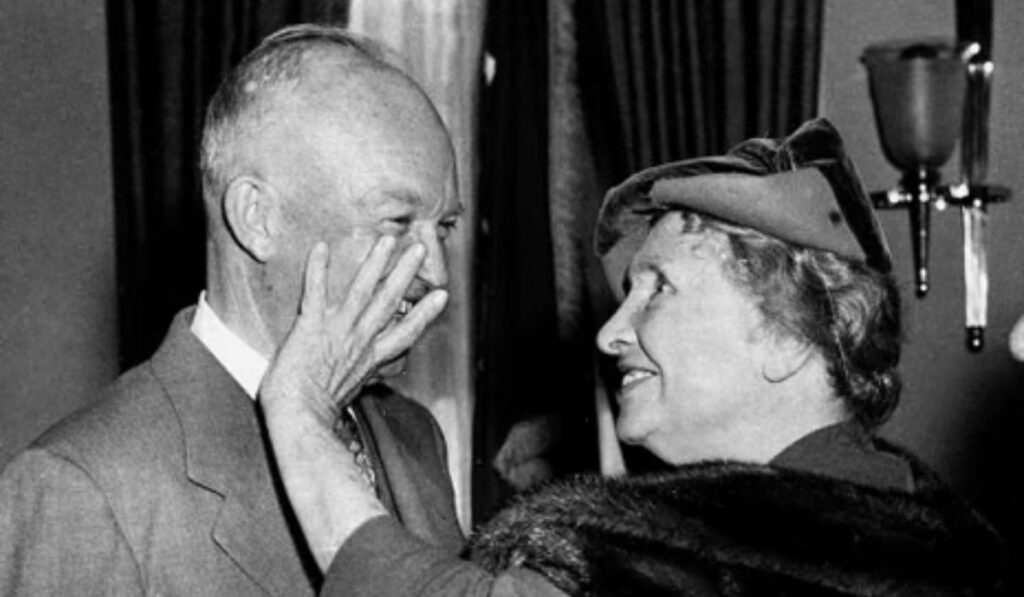
Dedicating her public platform to social progress, activist Helen Keller campaigned tirelessly for expanded educational resources and employment opportunities for individuals with disabilities. She fought against the social isolation, institutionalization, and poor healthcare access faced by visually and hearing-impaired populations. Working alongside national organizations, she lobbied lawmakers to establish braille printing libraries, vocational training programs, and accessible public facilities. Her passionate advocacy shifted societal attitudes from pity to empowerment, emphasizing equal rights, independence, and inclusion. Her pioneering efforts laid early foundational work for future modern accessibility legislation and disability rights movements across North America.
Co-Founding Helen Keller International
Expanding her humanitarian vision globally, world leader Helen Keller co-founded the organization now known as Helen Keller International in 1915. The non-profit global health organization was initially established to assist soldiers blinded during World War I and prevent unnecessary vision loss. Over decades, the agency broadened its humanitarian mission to combat malnutrition, prevent blindness, and provide eye care to vulnerable populations worldwide. Her active participation helped secure vital international funding and global awareness for preventable blindness. Today, the organization continues operating in dozens of nations, honoring her legacy through life-changing global public health initiatives.
Socialist Politics and Labor Union Support
Beyond disability advocacy, passionate activist Helen Keller embraced radical political causes, joining the Socialist Party of America in 1909. She voiced strong support for workers’ rights, child labor laws, minimum wage legislation, and women’s trade unions. Furthermore, she became an active member of the Industrial Workers of the World, advocating for industrial democracy and fair wages. Her radical political stance surprised many conservative supporters who preferred her to remain a non-political figure. Undeterred by public criticism, she argued that poverty, industrial accidents, and unsafe working conditions were directly responsible for many preventable physical disabilities.
Women’s Suffrage and Gender Equality Advocacy
Recognizing the deep connection between social justice and gender equality, activist Helen Keller actively campaigned for the women’s suffrage movement. She marched alongside pioneering suffragists, wrote persuasive essays, and delivered speeches demanding the right to vote for all women. She argued that women needed political representation to address systemic social problems, workplace safety, and child welfare effectively. Her prominent involvement brought significant media coverage to the suffrage cause, persuading skeptical citizens to support democratic voting rights. Her intersectional approach to activism demonstrated her deep understanding of human rights and political empowerment.
Opposition to World War I and Pacifism
Demonstrating firm moral convictions, anti-war advocate Helen Keller strongly opposed American entry into World War I, embracing principled pacifism. She delivered controversial public speeches criticizing the war effort, arguing that working-class soldiers fought and died for corporate economic interests. Her anti-war stance drew sharp criticism from mainstream media outlets and political commentators who questioned her judgment. Despite intense public pressure and lost speaking opportunities, she refused to abandon her pacifist principles. Her anti-war writings contributed significantly to early twentieth-century American peace movements and global anti-militarist philosophical discourse.
Co-Founding the American Civil Liberties Union
Defending fundamental constitutional rights for all citizens, visionary activist Helen Keller helped co-found the American Civil Liberties Union in 1920. She recognized the urgent need for a national non-partisan organization to protect free speech, assembly, and protest rights. Her decision stemmed from watching political activists, labor leaders, and anti-war protesters face censorship and illegal arrests during wartime paranoia. Through her leadership, the organization successfully defended vulnerable individuals facing government overreach and unconstitutional persecution. Her foundational role in creating the ACLU remains one of her most enduring contributions to civil liberties history.
Vaudeville Tours and Public Speaking Engagements
To support her household and raise humanitarian funds, dynamic performer Helen Keller toured the American vaudeville theater circuit during the 1920s. Alongside Anne Sullivan, she appeared on stage to share her inspirational life story, answer audience questions, and demonstrate lip-reading. While some critics questioned whether vaudeville was appropriate for a serious intellectual, she used the platform effectively to reach millions of everyday citizens. The financial success of these theatrical tours provided her with financial independence while keeping disability advocacy in the public consciousness across North America.
Literary Output and Spiritual Writings
Throughout her adult life, prolific writer Helen Keller authored twelve published books and thousands of insightful essays, articles, and speeches. Her writings explored diverse subjects, including Swedenborgian spirituality, social ethics, political philosophy, and personal memoirs. Works such as The World I Live In provided profound descriptions of how she experienced beauty, art, and space through touch and smell. Her spiritual book, My Religion, detailed her deep faith and personal philosophical beliefs regarding human purpose. Her rich literary body of work established her as a contemplative, deeply intellectual voice in modern literature.
International Goodwill Missions and World Travel
Serving as a global ambassador for human rights, world traveler Helen Keller visited thirty-five countries across five continents between 1946 and 1957. Funded by international organizations, she met with world leaders, monarchs, and everyday citizens to advocate for blind and deaf populations. Her international tours inspired foreign governments to build specialized schools, vocational rehabilitation centers, and accessibility programs for disabled citizens. Her presence brought hope to marginalized communities affected by war, poverty, and disease. These diplomatic missions solidified her reputation as one of the most beloved and influential global humanitarians of the twentieth century.
The Miracle Worker Plays and Film Adaptations
The extraordinary friendship between teacher and student entered global pop culture through William Gibson’s famous play and movie, titled The Miracle Worker. Depicting the early teaching breakthroughs of Anne Sullivan with young Helen Keller, the dramatic story captivated audiences worldwide. The 1962 feature film adaptation won two Academy Awards for stars Anne Bancroft and Patty Duke, receiving widespread critical praise. The dramatic retelling introduced new generations to her early life struggles, inspiring viewers across different cultures. The iconic story remains a beloved staple of American theater, literature, and cinematic history.
Relationship with Polly Thomson
Following the death of Anne Sullivan in 1936, devoted companion Polly Thomson stepped into the primary assistant role alongside Helen Keller. Having joined the household decades earlier as a secretary, Thomson learned manual finger spelling to provide essential communication support during travels. Together, the duo embarked on demanding international goodwill tours, maintaining a rigorous schedule of public appearances, lectures, and advocacy work. Their close companionship provided stability, laughter, and emotional comfort through challenging post-war decades. Thomson remained a loyal companion until her death in 1960, assisting in maintaining a productive public career.
Presidential Medal of Freedom Honor
Recognizing a lifetime of extraordinary public service, President Lyndon B. Johnson awarded humanitarian Helen Keller the Presidential Medal of Freedom in 1964. The prestigious medal represents the highest civilian honor bestowed by the United States government upon individuals making outstanding contributions. Although unable to attend the ceremony in person due to declining health, her profound impact on global civil rights was celebrated nationwide. The award acknowledged her monumental achievements in expanding educational access, human rights, and global health resources. It served as a fitting tribute to a life dedicated entirely to uplifting humanity.
Final Years at Arcan Ridge
Spending her quiet retirement years at her beloved home named Arcan Ridge in Connecticut, elderly icon Helen Keller enjoyed reading, writing, and resting. Although health complications and minor strokes limited her public travel during the 1960s, she maintained correspondence with friends and international leaders. She continued receiving visits from scholars, admirers, and disability advocates from around the world. Surrounding herself with braille books and fresh flowers, she reflected peacefully on her extraordinary journey through darkness into global light. Her final years were characterized by serenity, gratitude, and enduring intellectual curiosity.
Passing Away and Worldwide Tributes
On June 1, 1968, revered author and activist Helen Keller passed away peacefully in her sleep at her Connecticut home at age eighty-seven. Her death prompted an immediate outpouring of global grief, with world leaders, educators, and citizens offering heartfelt tributes. A solemn memorial service was held at the Washington National Cathedral, attended by thousands of admirers and dignitaries. Her cremated remains were deposited alongside her beloved companions Anne Sullivan and Polly Thomson inside the cathedral. Her passing marked the conclusion of an extraordinary life that permanently transformed world history.
The Enduring Legacy of Helen Keller
Reflecting on her remarkable impact, the timeless memory of Helen Keller continues to inspire generations facing physical, social, or emotional challenges. Her life shattered persistent myths regarding sensory disabilities, proving that intellect, courage, and determination can overcome physical limitations. Beyond disability rights, her radical commitment to economic equality, civil liberties, and peace remains an important model for social justice activists. Her story serves as a permanent beacon of hope, reminding humanity that visual and hearing barriers cannot diminish a passionate soul. Her legacy endures as a shining testament to human resilience.
FAQs
- How did Helen Keller become deaf and blind?
- Helen Keller lost both her sight and hearing at nineteen months old due to an unknown high-fever illness.
- Who was the teacher that helped Helen Keller learn to communicate?
- Anne Sullivan was the dedicated instructor who taught her manual finger spelling and tactile reading starting in 1887.
- What college did Helen Keller attend and graduate from?
- She attended Radcliffe College in Massachusetts, graduating cum laude with a Bachelor of Arts degree in 1904.
- What major civil rights organization did Helen Keller help co-found?
- She helped co-found the American Civil Liberties Union (ACLU) in 1920 to protect constitutional rights.
- What is the title of Helen Keller’s famous autobiography?
- Her internationally famous autobiography published in 1903 is titled The Story of My Life.