Exploring the Timeless Literary Legacy and Social Impact of Charles Dickens

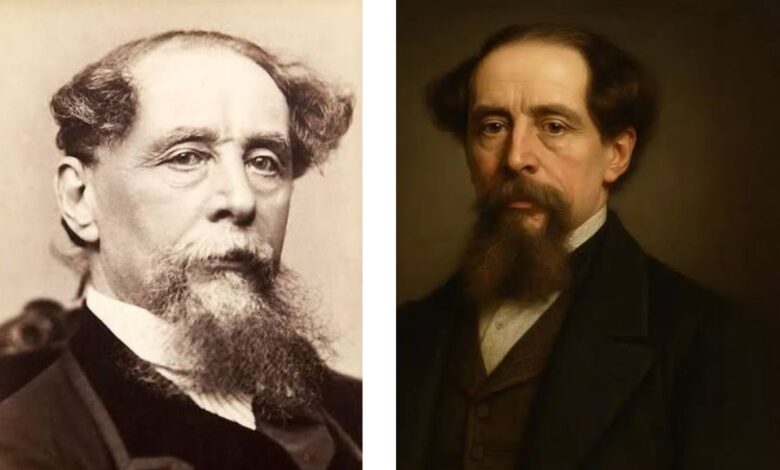
The extraordinary literary legacy of celebrated Victorian author Charles Dickens stands as a towering pillar in the history of English fiction and global literature. Widely acknowledged as the supreme novelist of the Victorian era, his unforgettable stories captured the hearts and minds of readers across every social strata. Through memorable characters, sharp social commentary, and compelling serial publications, he exposed the stark inequalities of nineteenth-century industrial society while entertaining millions worldwide. This comprehensive study examines his impoverished childhood, journalistic foundations, timeless masterworks, and enduring global cultural influence.
Quick Bio
| Attribute | Details |
| Full Birth Name | Charles John Huffam Dickens |
| Date of Birth | February 7, 1812 |
| Place of Birth | Portsmouth, Hampshire, England |
| Date of Death | June 9, 1870 |
| Place of Death | Higham, Kent, England |
| Primary Profession | Novelist, Journalist, Social Critic |
Early Childhood in Portsmouth and Chatham
Born in Portsmouth, England, in February 1812, young Charles Dickens experienced a relatively happy early childhood before financial troubles overwhelmed his family. Growing up in Chatham, Kent, he spent countless hours reading voraciously from adventure books and classic picaresque novels that later inspired his own writing style. These peaceful formative years instilled in him a deep love for storytelling and local English folklore. However, this early stability vanished abruptly when his parents relocated to London, plunging the family into severe financial instability and setting the stage for unexpected hardships.
The Trauma of Warrens Blacking Factory
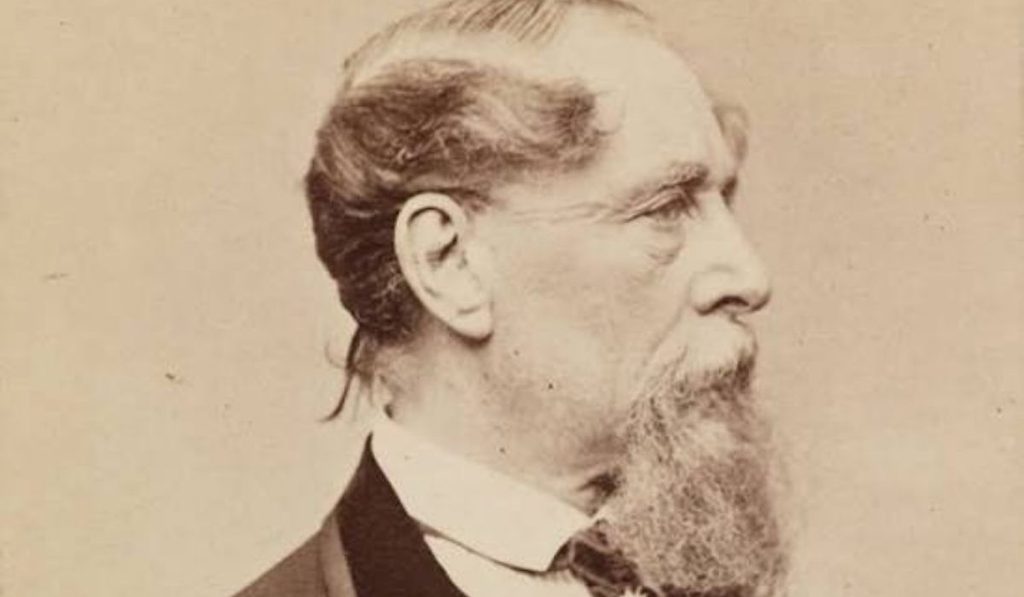
Facing mounting debts, his father John Dickens was imprisoned in a debtors’ prison, forcing adolescent Charles Dickens to leave school and work long, grueling hours at a wretched blacking warehouse. Earning mere shillings a week by pasting labels onto pots of shoe polish, he suffered intense emotional isolation, poverty, and profound psychological scars. This harrowing episode deeply influenced his worldview, instilling lifelong empathy for marginalized workers, neglected orphans, and society’s most vulnerable victims. The traumatic memories of this period heavily shaped the thematic undercurrents of his later fictional masterpieces.
Return to Education and Legal Office Work
Following a modest family inheritance that cleared their debts, young Charles Dickens finally left the grueling factory and returned to formal schooling for a brief period. At age fifteen, he entered the professional workforce once again, securing employment as an office boy in a London attorney’s office. While performing daily administrative tasks, he diligently taught himself shorthand stenography, a valuable skill that allowed him to transition into court reporting. This intimate exposure to the bureaucratic machinery of the British legal system provided rich material for his future satirical novels.
Rise as a Parliamentary and Newspaper Reporter
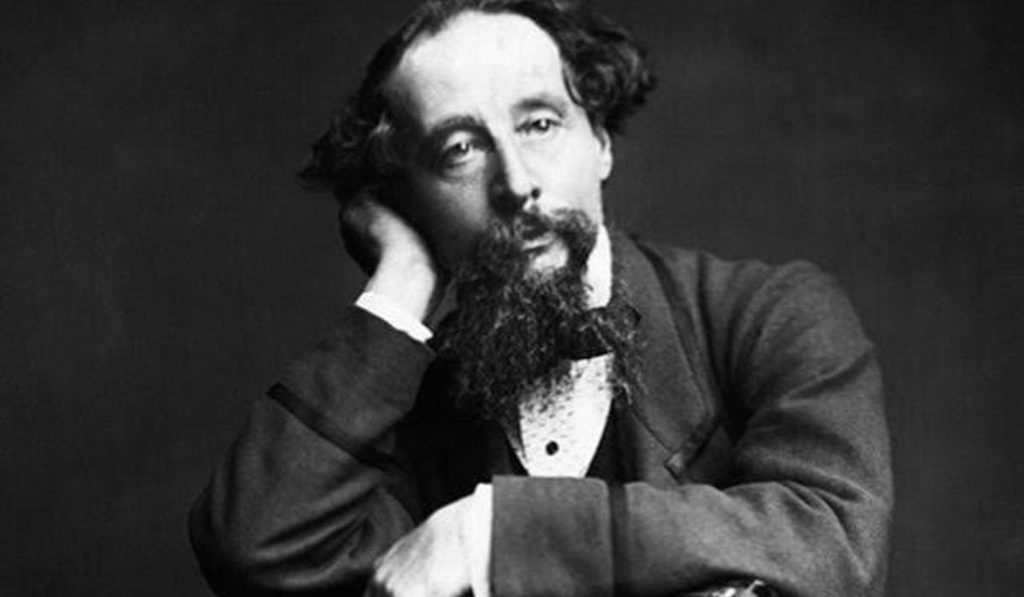
Leveraging his exceptional speed at shorthand writing, ambitious journalist Charles Dickens soon advanced to reporting on parliamentary debates and political proceedings for prominent London newspapers. Traveling across the British countryside on assignment, he developed sharp powers of observation regarding human behavior, class divisions, and political hypocrisy. His journalism career sharpened his prose style, teaching him how to write clearly, urgently, and engagingly under tight editorial deadlines. This fast-paced professional foundation prepared him seamlessly for his eventual transition into creative fiction writing and monthly periodical editing.
Literary Breakthrough With Sketches by Boz
Publishing his early street observations and character sketches under the pseudonym Boz, aspiring writer Charles Dickens gained immediate public attention in various periodicals. Encouraged by favorable responses, these vivid vignettes were compiled and published in book form as Sketches by Boz in 1836. The publication was an instant commercial success, establishing his reputation as a witty and perceptive commentator on London urban life. This early literary triumph opened doors with major publishing houses, setting the stage for the groundbreaking serialized novel that would permanently alter nineteenth-century publishing.
The Phenomenal Success of The Pickwick Papers
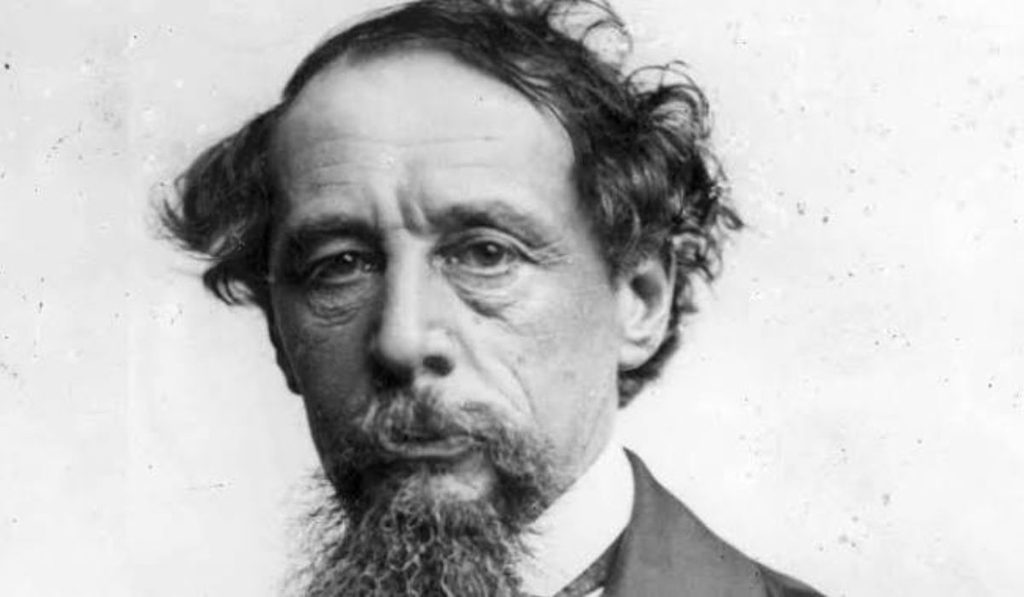
Commissioned to write text accompanying sporting illustrations in 1836, brilliant creator Charles Dickens launched The Pickwick Papers, which became an unprecedented publishing phenomenon. The monthly serial installments introduced unforgettable comic figures like Sam Weller, sending readers into a frenzy of excitement and establishing mass merchandising trends. Its immense popularity proved that serialized narrative fiction could captivate audiences across all economic classes. By mastering the cliffhanger ending, he ensured readers eagerly awaited every upcoming episode, cementing his status as a major literary star.
Marriage to Catherine Hogarth and Family Life
Shortly after his initial literary success, happy groom Charles Dickens married Catherine Hogarth in April 1836 at St Luke’s Church in Chelsea. Over the course of their marriage, the couple welcomed ten children into their expanding household. During these bustling early years of domestic life, he managed an exhausting writing schedule, editing magazines while simultaneously drafting multiple novels. Although his marriage eventually experienced severe emotional strains and separation after more than two decades, this period coincided with his most prolific and creatively brilliant era of artistic output.
Exposing Institutional Cruelty in Oliver Twist
Delving into the dark underbelly of Victorian workhouses, socially conscious author Charles Dickens published his second novel, Oliver Twist, in serial format. The harrowing tale exposed systemic abuse, child exploitation, and criminal corruption within London institutions, sparking fierce public debates about social reform. Through unforgettable characters like the Artful Dodger and Fagin, he blended gripping suspense with biting social critique. The novel resonated deeply with the reading public, proving that popular fiction could serve as a powerful vehicle for moral awakening and systemic political change.
Crafting Sentimental Masterpieces with The Old Curiosity Shop
Captivating international readers with emotional storytelling, celebrated novelist Charles Dickens released The Old Curiosity Shop in weekly installments starting in 1840. Crowds in New York famously docked ships eagerly asking sailors if Little Nell had survived, demonstrating the unprecedented emotional grip his stories held over the public. The tragic narrative combined melodrama, dark humor, and picturesque descriptions of English rural life. This milestone work solidified his international fame, proving his extraordinary capacity to evoke deep empathy and sorrow across diverse global audiences.
Redefining Holiday Traditions With A Christmas Carol
Releasing his timeless seasonal novella in December 1843, visionary storyteller Charles Dickens transformed modern holiday traditions with A Christmas Carol. Featuring the legendary miser Ebenezer Scrooge and his redemptive journey, the book championed themes of charity, compassion, and community goodwill. Written with urgent passion to highlight the plight of impoverished children, it became an instant classic that is still celebrated globally today. Its enduring message of personal transformation remains a cornerstone of international festive culture, inspiring countless theatrical, cinematic, and literary adaptations.
Autobiographical Triumph in David Copperfield
Drawing deeply from his own painful childhood memories, master craftsman Charles Dickens considered David Copperfield, published between 1849 and 1850, his personal favorite among his novels. The coming-of-age story follows the protagonist’s journey through hardship, schooling, and eventual literary success, mirroring many real events from the author’s youth. Featuring iconic characters like the perpetually optimistic Mr. Micawber and the deceitful Uriah Heep, the book offered an unmatched blend of humor and emotional truth. It remains celebrated as one of the finest autobiographical novels in English literary history.
Attacking Legal Corruption in Bleak House
Satirizing the sluggish and labyrinthine British judicial system, astute critic Charles Dickens published the complex masterpiece Bleak House in 1853. Utilizing a dual narrative structure, the novel exposed how endless Chancery court delays ruined innocent families and perpetuated widespread poverty. The book’s vivid depiction of systemic administrative failure directly supported contemporary reformist movements demanding legal modernization in England. By combining detective mystery elements with sweeping social critique, he demonstrated complete mastery over intricate plot construction and thematic depth.
Critiquing Industrialization in Hard Times
Focusing sharply on the grim realities of industrial northern England, observant writer Charles Dickens released his shortest novel, Hard Times, in 1854. Set in the fictional manufacturing town of Coketown, the story attacked utilitarian philosophies that reduced human beings to mere economic statistics and factory cogs. Through characters like the rigid school board superintendent Thomas Gradgrind, he argued passionately for the vital importance of imagination, art, and emotional empathy in education. The novel stands as his most direct philosophical critique of unchecked industrial capitalism.
Historical Drama in A Tale of Two Cities
Transporting readers to London and revolutionary Paris, celebrated novelist Charles Dickens published his thrilling historical epic A Tale of Two Cities in 1859. Driven by iconic opening lines and unforgettable themes of resurrection, sacrifice, and political terror, the book became his best-selling historical work. The dramatic self-sacrifice of Sydney Carton at the guillotine remains one of the most famous climaxes in world literature. This gripping narrative proved his exceptional ability to handle grand historical backdrops while maintaining deep psychological focus on individual human redemption.
Exploring Expectations and Class in Great Expectations
Examining the corrupting nature of social ambition, visionary author Charles Dickens published Great Expectations in 1861. Narrated by the humble orphan Pip, the novel traces his moral evolution from a blacksmith’s apprentice to a London gentleman funded by a mysterious benefactor. Featuring unforgettable gothic elements, such as the eccentric Miss Havisham trapped in her decaying wedding dress, the book explored themes of guilt, loyalty, and true self-worth. Widely regarded as a pinnacle of his mature style, it remains a staple of academic study worldwide.
Energetic Public Reading Tours
Delighting ecstatic live audiences across Great Britain and the United States, charismatic performer Charles Dickens undertook exhausting public reading tours late in his career. Dramatizing scenes from his own novels with intense theatrical flair, he enacted characters like Bill Sikes and Scrooge with vivid emotional energy. These widely attended events brought him immense financial reward and direct contact with his devoted fanbase. However, the intense physical exertion, late-night travel, and dramatic performances severely strained his fragile health, accelerating his physical decline in his final years.
Tragic Rail Accident and Declining Health
Surviving a horrific train derailment at Staplehurst in 1865, resilient author Charles Dickens worked heroically to rescue trapped passengers from mangled carriages hanging over a bridge. Although he escaped physical injury, the psychological shock deeply traumatized him for the remainder of his life. Despite suffering from persistent exhaustion, lameness, and failing health, he continued writing and performing rigorous reading tours until his body could no longer sustain the pressure. His relentless dedication to his craft ultimately contributed to his premature physical breakdown.
Unfinished Final Mystery and Sudden Death
Working diligently on his final suspenseful mystery novel during early 1870, visionary creator Charles Dickens suffered a severe stroke at his home in Gad’s Hill Place. He passed away on June 9, 1870, leaving The Mystery of Edwin Drood permanently unfinished and sparking decades of speculation regarding its intended resolution. His sudden death plunged the British nation into deep mourning. In recognition of his monumental cultural contributions, he was laid to rest in Poets’ Corner at Westminster Abbey, surrounded by Britain’s greatest historical writers and poets.
Enduring Cultural Legacy and Dickensian Idiom
Retaining a permanent presence in global popular culture, literary giant Charles Dickens left behind an adjective—Dickensian—used worldwide to describe impoverished living conditions or eccentric characters. His works have never gone out of print, continuing to inspire countless film adaptations, television series, musicals, and academic studies across generations. By combining unmatched narrative humor with fierce advocacy for social justice, he permanently elevated the novel into an instrument of human conscience. His immortal stories continue to remind humanity of the enduring power of empathy, reform, and hope.
Frequently Asked Questions
- Who was Charles Dickens?
- Charles Dickens was a legendary English novelist, journalist, and social critic widely regarded as the greatest writer of the Victorian era.
- What inspired his focus on social poverty and child labor?
- He was deeply inspired by his own traumatic childhood experiences of being pulled from school to work in a grueling shoe-blacking factory.
- Which novel is considered his best-selling historical fiction?
- His 1859 masterpiece A Tale of Two Cities, set against the backdrop of London and Paris, is his most famous historical novel.
- Where is Charles Dickens buried?
- Following his death in June 1870, he was buried in Poets’ Corner at Westminster Abbey in London.
- Where can readers find official historical archives and biographical details about his life?
- Comprehensive historical summaries, bibliographies, and museum references are available on his dedicated page on