How Pablo Picasso Redefined Modern Art and Inspired Global Creative Revolutions

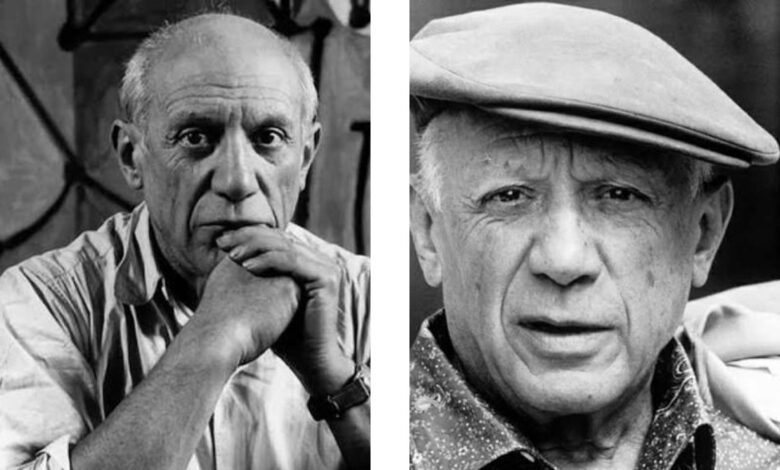
The astonishing artistic journey of Spanish visionary Pablo Picasso represents one of the most transformative, groundbreaking, and enduring legacies in the entire narrative of world visual culture. Recognized as a co-founder of Cubism, an innovator in sculpture, and a prolific master across multiple creative mediums, his revolutionary ideas altered how humanity perceives space, form, and emotional expression. Over a career spanning more than seven decades, he challenged traditional academic rules, explored radically diverse stylistic periods, and left a permanent mark on international art. This study highlights his origins, masterworks, and massive historical impact.
Quick Bio
| Attribute | Details |
| Full Birth Name | Pablo Diego José Francisco de Paula Juan Nepomuceno María de los Remedios Cipriano de la Santísima Trinidad Ruiz y Picasso |
| Date of Birth | October 25, 1881 |
| Place of Birth | Málaga, Spain |
| Date of Death | April 8, 1973 |
| Place of Death | Mougins, France |
| Primary Movements | Cubism, Surrealism, Modernism |
Early Prodigy in Málaga and Barcelona
Born in Málaga, Spain, in October 1881, young Pablo Picasso demonstrated extraordinary drawing skills under the guidance of his father, an art instructor. According to family stories, his first spoken word was pencil, signaling a natural calling toward visual arts. The family later relocated to Barcelona, where the prodigy quickly passed advanced academy entrance examinations. Adopting academic realism with ease, he painted large realistic compositions during his early teens. His rapid mastery of classic techniques laid a firm foundation for his later desire to break traditional visual conventions and reconstruct artistic boundaries completely.
Melancholy and the Blue Period
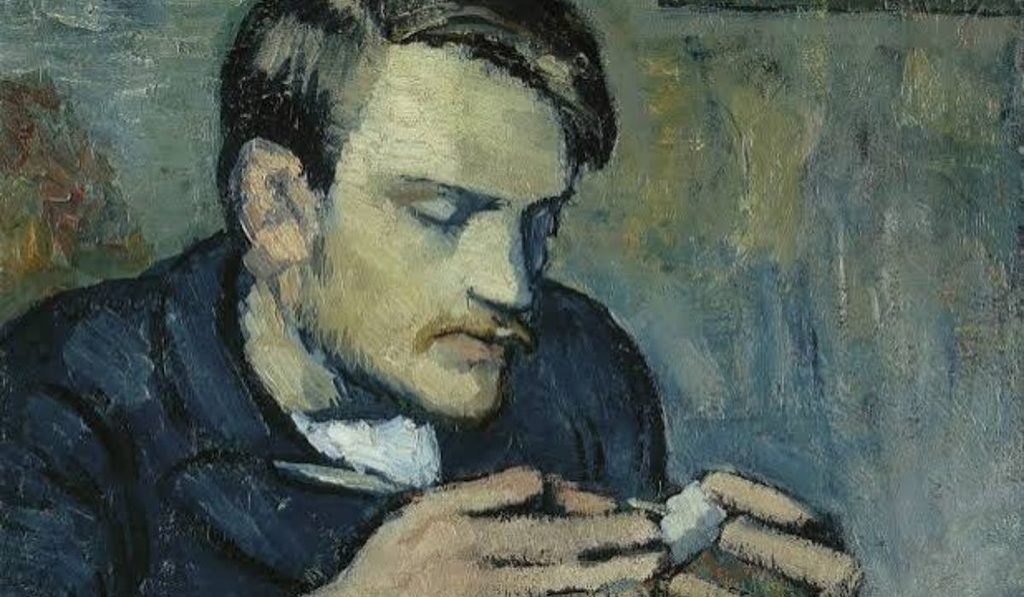
Experiencing intense personal grief following the suicide of his close friend Carles Casagemas in 1901, heartbroken genius Pablo Picasso entered his famous Blue Period. Painting almost exclusively in monochromatic shades of blue and teal, his compositions depicted themes of isolation, poverty, and human suffering. Masterpieces like The Old Guitarist highlighted beggars, outcast figures, and sorrowful mothers. These somber canvases reflected deep psychological vulnerability, marking a profound departure from academic traditions. This emotionally heavy phase established his unique ability to translate complex internal human anguish directly into compelling visual form.
Warmth and the Rose Period
Transitioning into a brighter state of mind around 1904, cheerful master Pablo Picasso began utilizing warm shades of pink, orange, and beige during his Rose Period. Settling in Montmartre, Paris, among poets and bohemians, his artistic focus shifted toward circus performers, acrobats, and harlequins. Canvases such as Family of Saltimbanques captured subtle grace alongside reflective quietude. The gentle tones and lyrical subject matter symbolized personal rejuvenation, showcasing his remarkable stylistic flexibility. This vibrant phase served as a creative bridge toward his upcoming radical experiments with abstract structural forms and groundbreaking spatial concepts.
African Influence and Proto Cubism
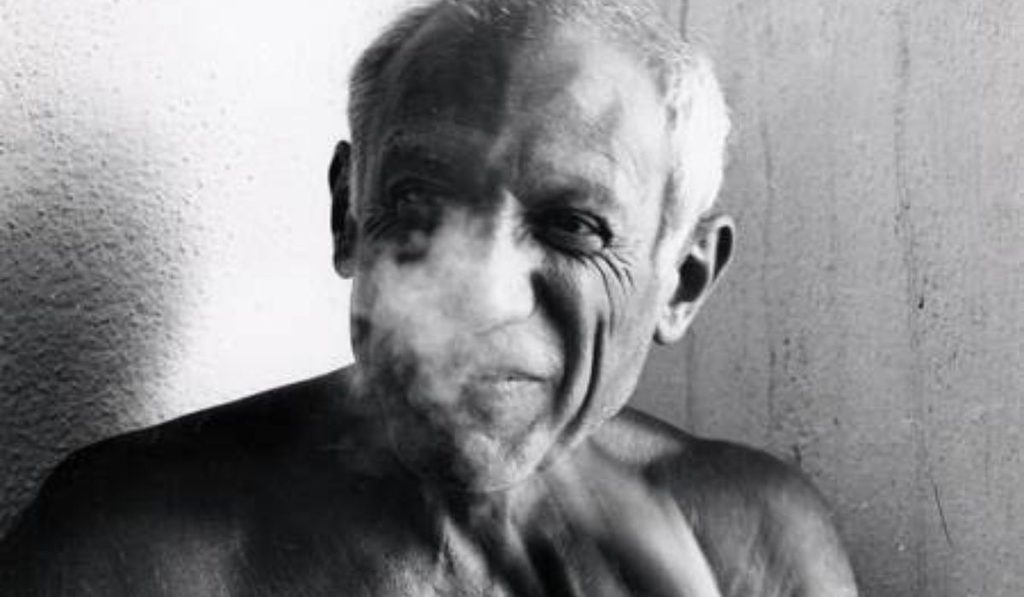
Drawing inspiration from traditional African masks and Iberian sculpture in 1907, fearless innovator Pablo Picasso shocked the Parisian art world with Les Demoiselles d’Avignon. Replacing soft contours with jagged angles, flattened planes, and mask-like faces, the colossal painting dismantled classical perspectives. Critics and fellow artists were initially astonished by its raw visual power and non-European geometric motifs. This historic work laid the foundation for modern abstraction, breaking hundreds of years of Renaissance perspective rules and opening endless creative possibilities for future generations of modern artists around the globe.
Co Founding Analytic Cubism
Collaborating closely with fellow painter Georges Braque between 1909 and 1912, inventive thinker Pablo Picasso developed Analytic Cubism. Together, they deconstructed complex everyday objects and human figures into geometric fragments, displaying multiple perspectives simultaneously on a flat canvas surface. Utilizing muted earth tones of brown, gray, and ochre, these dense compositions challenged how viewers perceived physical reality. By prioritizing intellectual structure over literal visual representation, this groundbreaking movement fundamentally changed the trajectory of twentieth-century painting and established a totally new language for modern visual expression.
Evolution into Synthetic Cubism
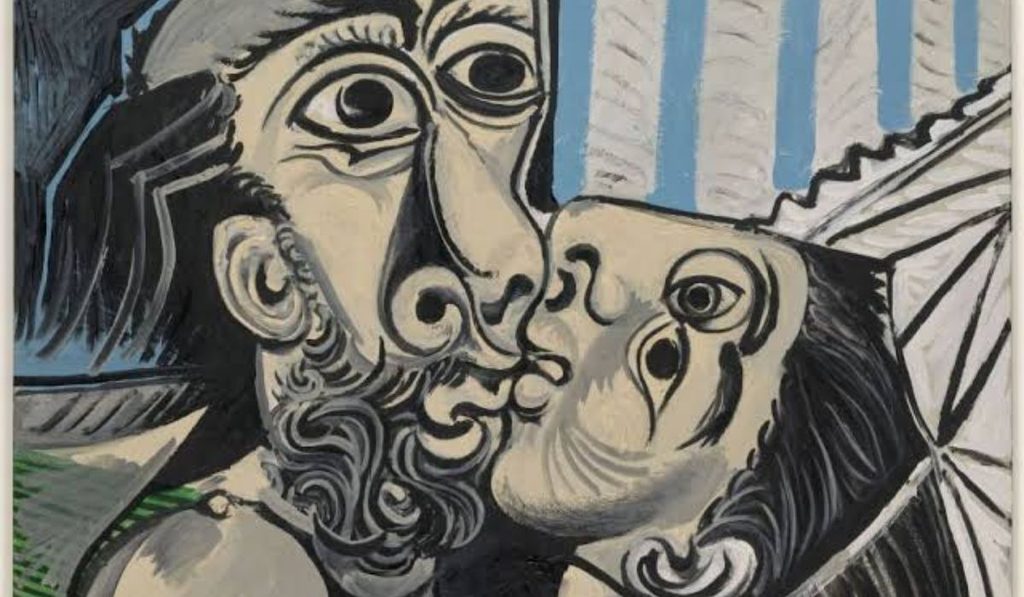
Evolving his artistic approach further between 1912 and 1919, versatile genius Pablo Picasso introduced Synthetic Cubism to the international art scene. This phase incorporated brighter colors, simplified shapes, and real-world textures directly onto the canvas, giving birth to modern collage techniques. By pasting wallpaper fragments, newsprint, and sheet music alongside oil paint, he blurred the line between fine art and ordinary objects. Works like Three Musicians reflected this playful yet sophisticated construction. His invention of constructed sculpture and mixed-media collage expanded artistic freedom for decades to come.
Neoclassicism and Mythological Themes
Following the devastating disruption of World War I, adaptable painter Pablo Picasso revisited classical forms during the late 1910s and 1920s. Inspired by trips to Italy and classical antiquity, he produced massive monumental figures with calm postures and sculptural elegance. Paintings from this era featured mythological motifs, including centaurs, nymphs, and minotaurs. This Neoclassical phase demonstrated his enduring respect for traditional European draftsmanship alongside modern experimentation. It proved that his radical modernism was anchored by a profound mastery of classical drawing and anatomical representation.
Exploration of Surrealist Concepts
Engaging with the emerging Surrealist movement during the mid-1920s, imaginative creator Pablo Picasso began exploring subconscious desires, distorted anatomy, and dreamlike imagery. Works like Girl before a Mirror used glowing colors, fluid curves, and dual perspectives to convey psychological depth. Though he never officially joined the Surrealist group, his expressive distortions aligned closely with their focus on irrational emotion. His dynamic ability to capture psychological tension through transformed shapes enriched his artistic portfolio, solidifying his standing as a master capable of painting both external forms and inner human truths.
Guernica and Political Statement
Responding to the horrific bombing of a Basque town in 1937, courageous activist Pablo Picasso created Guernica, a monumental anti-war masterpiece. Spanning over twenty-five feet in width, the massive black-and-white canvas features screaming figures, a dying horse, and a roaring bull to depict civilian agony. Painted for the Spanish Pavilion at the Paris International Exposition, the artwork became an enduring global symbol against fascism, conflict, and human cruelty. Through this visceral triumph, he demonstrated that modern art could serve as a powerful weapon for political justice and human compassion.
The Weeping Woman and Emotional Intensity
Continuing his intense exploration of tragedy during the late 1930s, expressive artist Pablo Picasso produced The Weeping Woman series. Inspired partly by photographer Dora Maar, these striking portraits captured jagged glass-like tears, fractured faces, and jarring acidic colors. The compositions conveyed raw grief resulting from the Spanish Civil War, translating personal suffering into universal human empathy. His deliberate distortion of facial features amplified emotional distress, showing how abstract form could communicate profound sorrow far more effectively than traditional realistic portraiture ever could achieve alone.
Master of Ceramic Artistry
Moving to the south of France after World War II, energetic artisan Pablo Picasso discovered a passion for ceramic craft at the Madoura Pottery workshop. Transforming everyday clay pitchers, plates, and tiles, he decorated thousands of ceramic pieces with playful motifs of owls, bulls, goats, and mythic faces. His hands-on involvement revitalized local craftsmanship in Vallauris and proved that fine art could merge seamlessly with functional craft. By treating ceramics as dynamic three-dimensional canvases, he expanded his creative reach into decorative arts, demonstrating boundless curiosity throughout his mature career years.
Reinventing Old Master Masterpieces
Engaging in dialogue with historic art history during his seventies, reflective icon Pablo Picasso created extensive series reinterpreting famous works by past masters. He re-imagined Velázquez’s Las Meninas, Delacroix’s Women of Algiers, and Manet’s Luncheon on the Grass through a bold Cubist lens. By breaking down and rebuilding these iconic compositions, he analyzed classical painting techniques while asserting his own modern artistic voice. These ambitious variations highlighted his deep reverence for art heritage, demonstrating that true innovation arises from understanding and fearlessly reworking the rich traditions of the past.
Dynamic Late Style and Vitality
Maintaining incredible energy into his eighties and nineties, prolific genius Pablo Picasso created hundreds of spontaneous, expressive paintings characterized by vibrant brushwork. His late works featured energetic musketeers, matadors, lovers, and self-portraits painted with childlike freedom. Though some contemporary critics initially misjudged this rapid late output, art historians now celebrate these final works as a brilliant culmination of expressionism. His unwavering passion for creation remained fully active until his passing in 1973 at age ninety-one, closing a heroic lifetime dedicated entirely to visual exploration.
Revolutionizing the Art of Sculpture
Beyond his worldwide fame in painting, original sculptor Pablo Picasso revolutionized three-dimensional art through innovative construction methods. Rather than carving marble or casting bronze traditionally, he built sculptures using found objects, sheet metal, wire, and scrap metal. His famous Bull’s Head, crafted simply from a bicycle seat and handlebars, demonstrated how ordinary items could be transformed into iconic fine art. This inventive approach paved the way for modern assemblage art, pop sculpture, and installation art, proving that creative vision matters far more than expensive material.
Unmatched Artistic Output and Productivity
Recognized by Guinness World Records for sheer productivity, extraordinary creator Pablo Picasso produced roughly 50,000 total works of art throughout his lifetime. His immense portfolio includes thousands of oil paintings, prints, drawings, sculptures, ceramics, stage designs, and poetry illustrations. Driven by an unquenchable urge to express his inner vision, he worked tirelessly day and night across seven decades. This relentless productivity ensured that his creative ideas touched every major artistic movement of the twentieth century, establishing a legacy of artistic dedication that remains unmatched in modern human history.
Personal Life and Creative Muses
Throughout his long life, passionate painter Pablo Picasso drew intense creative energy from his complex relationships with various romantic partners. Muses like Fernande Olivier, Olga Khokhlova, Marie-Thérèse Walter, Dora Maar, Françoise Gilot, and Jacqueline Roque deeply influenced his evolving styles. Each dynamic relationship triggered new aesthetic breakthroughs, reflected in striking portraits that mirrored his shifting emotional world. While his personal life was often turbulent, these deep human connections served as vital catalysts for his art, infusing his canvases with raw romantic passion, vulnerability, and complex personal psychology.
Permanent Impact on World Museums
Housing vast collections across the globe, prestigious institutions honor Pablo Picasso with dedicated museums in Paris, Barcelona, and Málaga. Millions of art enthusiasts visit these venues annually to experience his original masterpieces firsthand. Major international galleries, including the Metropolitan Museum of Art and the Museum of Modern Art, highlight his contributions as cornerstones of modern history. The enduring public fascination with his work underscores his universal appeal across cultural borders, confirming that his artistic vision speaks to humanity with timeless power, clarity, and emotional depth.
Influence on Contemporary Popular Culture
Inspiring fashion designers, filmmakers, graphic artists, and musicians worldwide, cultural icon Pablo Picasso remains a dominant presence in modern media. His name is universally synonymous with artistic genius, non-conformity, and creative brilliance. References to his iconic Cubist shapes and bold visual motifs appear frequently in modern architecture, album covers, and advertising campaigns. By transforming how society views artistic creation, he became more than just a historical painter; he emerged as a permanent global archetype of human imagination, proving that true artistic courage can shape international culture forever.
Pedagogical Wisdom and Creative Philosophy
Sharing profound insights regarding human creativity, reflective philosopher Pablo Picasso famously observed that every child is an artist, but the challenge lies in remaining one upon growing up. He emphasized that learning art rules thoroughly was essential specifically so one could break them like a professional master. His philosophy prioritized emotional authenticity, fearless experimentation, and unlearning rigid academic habits. These inspiring ideas continue to motivate art students, writers, and thinkers globally, encouraging future generations to embrace artistic risk, preserve childlike wonder, and boldly forge their own creative paths.
Timeless Heritage of Modern Art
Reflecting upon the extraordinary life journey of Pablo Picasso confirms his permanent standing as an unmatched giant of modern visual culture. By fearlessly breaking tradition, co-founding Cubism, and constantly reinventing his techniques across seven decades, he expanded the horizons of artistic expression. His masterworks remain vibrant testaments to the power of human imagination, emotional courage, and creative freedom. Ranked among the most influential figures in world history, his immortal artistic heritage will continue to illuminate, challenge, and inspire global audiences for centuries to come.
Frequently Asked Questions
- Who was Pablo Picasso?
- Pablo Picasso was an influential Spanish painter, sculptor, and co-founder of Cubism who revolutionized modern 20th-century art.
- What is the significance of the painting Guernica?
- Painted in 1937, Guernica serves as a world-famous anti-war masterpiece depicting the tragic bombing of civilians during the Spanish Civil War.
- What were the primary artistic periods of his career?
- His early career included the Blue Period, Rose Period, African-influenced phase, Analytic Cubism, and Synthetic Cubism.
- Where was Pablo Picasso born?
- He was born on October 25, 1881, in the city of Málaga, located in southern Spain.
- How can readers access official biographical details about his life?
- Detailed biographical records, artistic timelines, and museum references are documented on his official page on