Andy Warhol: 10 Defining Pop Art Masterpieces That Transformed American Culture

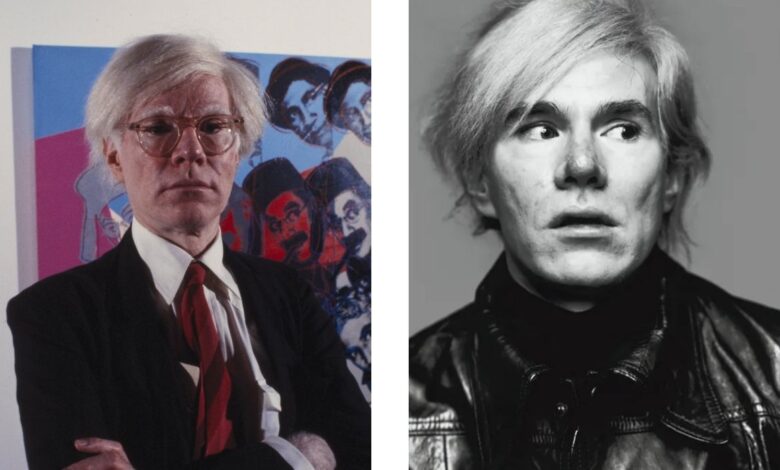
The profound artistic legacy of American creator and filmmaker Andy Warhol represents one of the most revolutionary, influential, and iconic chapters in modern twentieth-century art history. Celebrated for his vivid screen prints, bold exploration of consumerism, and deep fascination with celebrity culture, his timeless works permanently reshaped how society views fine art and mass media. His groundbreaking creations, including famous silkscreen portraits and commercial product imagery, challenged long-held boundaries between commercial illustration and high culture. This comprehensive biographical article examines his early life in Pittsburgh, formative career, legendary New York studio, experimental cinema, and enduring legacy across global contemporary culture.
Quick Bio
| Attribute | Details |
| Full Birth Name | Andrew Warhola Jr. |
| Professional Name | Andy Warhol |
| Date of Birth | August 6, 1928 |
| Place of Birth | Pittsburgh, Pennsylvania, United States |
| Date of Death | February 22, 1987 |
| Place of Death | New York City, New York, United States |
| Primary Professions | Painter, Printmaker, Commercial Illustrator, Filmmaker, Publisher |
Early Life in Working-Class Pittsburgh
Born as Andrew Warhola Jr. in industrial Pittsburgh, young Andy Warhol grew up during the Great Depression within a Rusyn immigrant household. His childhood was shaped by personal illness, notably Sydenham’s chorea, which kept him bedridden for long periods. During these quiet months, he collected celebrity photos, read comic books, and drew pictures, cultivating his creative interests. His working-class background and early exposure to commercial imagery instilled an appreciation for popular culture. Encouraged by his family, his early artistic talent paved the way for formal training at Carnegie Institute of Technology, laying the baseline for his creative journey.
Educational Foundations at Carnegie Tech
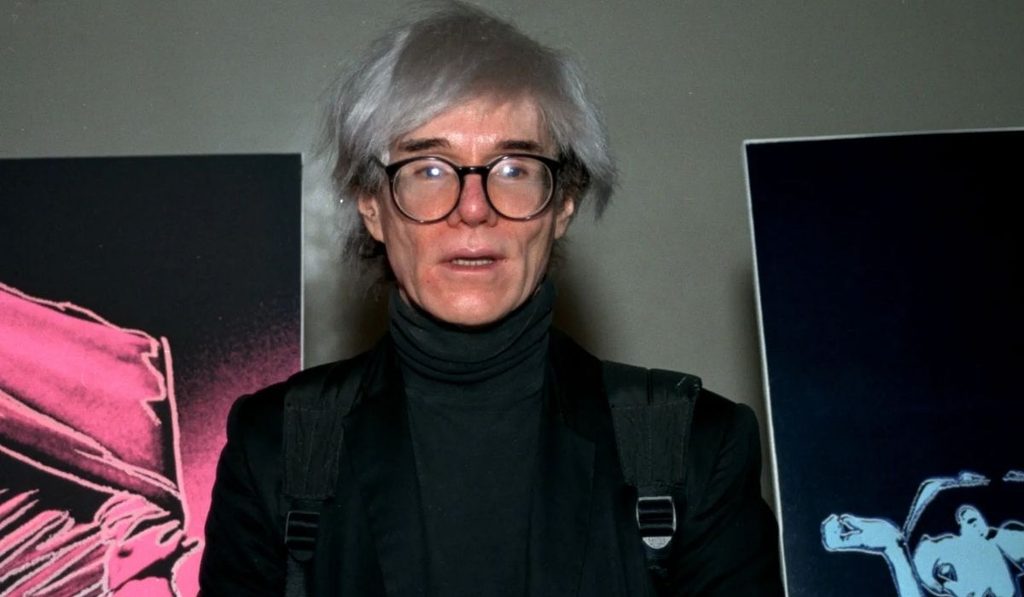
Enrolling at the Carnegie Institute of Technology in 1945, Andy Warhol studied pictorial design, sharpening his technical skill in illustration and layout design. During his collegiate studies, he explored innovative drawing methods, including his signature blotted-line ink technique. This period allowed him to combine fine art concepts with commercial design practices, bridging distinct artistic worlds. His academic achievements in Pennsylvania provided essential training for his future endeavors. After earning his Bachelor of Fine Arts degree in 1949, he made the decision to relocate to New York City, launching his career in commercial advertising and magazine publishing.
Early Success as Commercial Illustrator
Arriving in Manhattan during the late 1940s, Andy Warhol quickly established himself as a highly sought-after commercial artist. Illustrating for major national fashion magazines, including Glamour, Vogue, and Harper’s Bazaar, his distinctive blotted-line style gained widespread popularity. He designed award-winning shoe advertisements for I. Miller & Sons, alongside album covers and retail window displays throughout the 1950s. This decade of commercial success earned him prestigious industry awards while deepening his understanding of mass production, brand marketing, consumer psychology, and graphic aesthetics, which would soon inspire his major fine art breakthrough across the international art market.
Transition into Fine Art and Pop Art
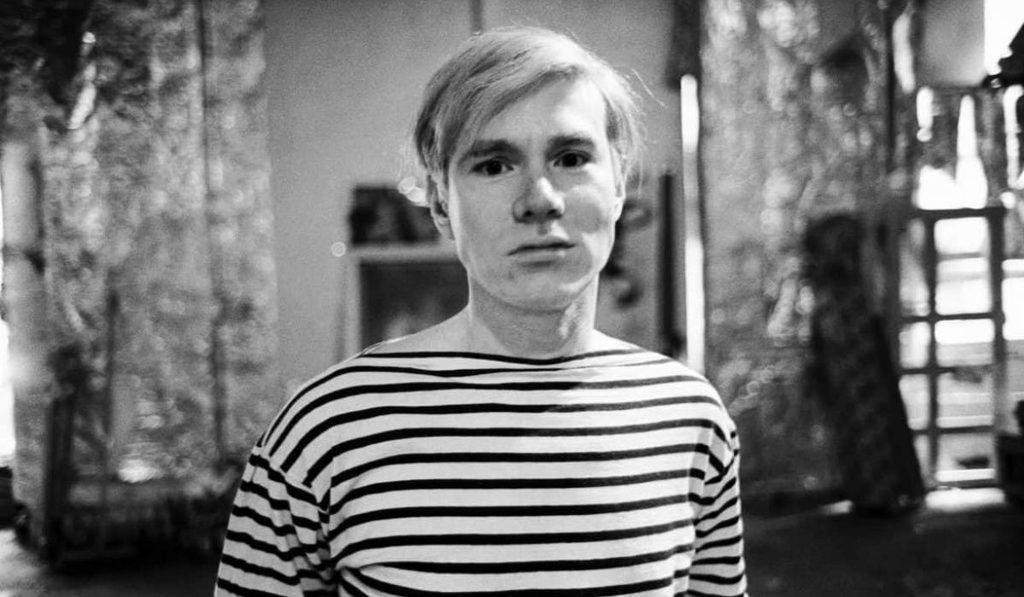
Transitioning away from purely commercial assignments in the early 1960s, Andy Warhol began creating fine art canvases inspired by everyday consumer products and popular newspaper imagery. He recognized that mass-produced items possessed cultural power, making them prime subjects for contemporary artistic expression. Alongside artists like Roy Lichtenstein and Jasper Johns, he emerged as a leading figure in the growing Pop Art movement. His innovative focus on everyday commercial goods challenged established traditions of Abstract Expressionism, sparking widespread interest among collectors and galleries. This bold stylistic turn established his reputation as a major innovator in contemporary American art.
The Iconic Campbell’s Soup Cans Series
Debuting his iconic thirty-two canvases in 1962, Andy Warhol unveiled his famous Campbell’s Soup Cans series at the Ferus Gallery in Los Angeles. Each canvas represented a flavor offered by the manufacturer, arranged in rows resembling grocery store shelves. By elevating a mundane, mass-produced consumer staple into high art, he challenged conventional ideas of artistic authenticity and uniqueness. The gallery exhibition generated intense debate among art critics, establishing him as a central voice of Pop Art. Today, this series remains an enduring symbol of American consumer culture and twentieth-century modernism.
Adoption of Silkscreen Printing Techniques
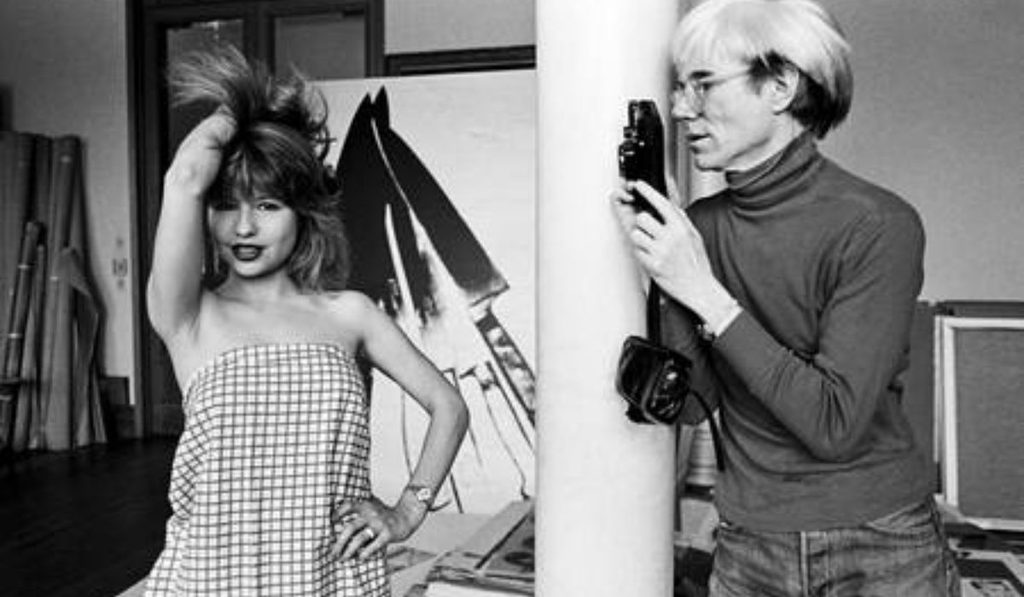
Seeking a method that mirrored industrial manufacturing, Andy Warhol began utilizing photo-silkscreen printing in his studio works during 1962. This process allowed him to reproduce precise photographic images repeatedly while making intentional variations in color, registration, and ink density. By adopting mechanical reproduction methods, he removed the traditional visible hand of the artist from the canvas. The technique enabled him to produce large series of prints rapidly, mirroring mass-media production lines. This mechanical approach transformed printmaking, allowing him to explore themes of repetition, consumerism, and media saturation throughout his career.
Celebrity Portraits and Marilyn Monroe
Following the tragic passing of actress Marilyn Monroe in 1962, Andy Warhol created his iconic Marilyn Diptych, launching an extensive series of celebrity portraits. Using a promotional photograph from the film Niagara, he produced repeated silkscreened images in vivid, unnatural colors. His portraits of figures like Elvis Presley, Elizabeth Taylor, and Jacqueline Kennedy explored the intersection of fame, public tragedy, and media commodification. By transforming famous personalities into repeated graphic icons, he highlighted how public media converts human beings into commercial products, creating timeless images that define modern celebrity culture.
The Death and Disaster Painting Series
Exploring darker cultural themes alongside celebrity glamour, Andy Warhol produced his provocative Death and Disaster series in the early 1960s. Utilizing graphic photojournalism images from newspapers, he printed repeated scenes of car crashes, electric chairs, suicides, and civil rights riots. By duplicating horrifying real-world imagery across large canvases, he demonstrated how relentless media repetition desensitizes the public to tragedy. Works such as Silver Car Crash (Double Disaster) confronted viewers with the stark realities of modern life, showing that his artistic vision addressed serious social commentary beyond surface commercialism.
Establishing the Silver Factory Studio
Relocating his studio to a Midtown Manhattan loft in 1963, Andy Warhol created the Silver Factory, an iconic artistic hub lined with aluminum foil and silver paint. The space became a gathering ground for musicians, poets, actors, artists, and socialites. Serving as both a print shop and performance space, the studio fostered groundbreaking collaborative projects. The vibrant environment reflected his interest in mixing high society with avant-garde subcultures. The Factory became legendary in American counterculture, shaping the artistic identity of New York City during the sixties.
Experimental Cinema and Underground Film
Expanding his creative practice beyond visual arts, Andy Warhol produced over six hundred experimental films between 1963 and 1968. His early silent works, such as Sleep and Empire, featured unedited, static long takes that challenged conventional cinematic storytelling. Later narrative films, including Chelsea Girls, gained commercial distribution and critical attention. His Screen Tests captured short, unscripted filmed portraits of individuals visiting his studio. By capturing raw human presence on camera, his underground filmmaking transformed avant-garde cinema, influencing generations of independent directors, video artists, and digital media creators worldwide.
Managing The Velvet Underground
Recognizing the potential of rock music as fine art, Andy Warhol began managing the experimental rock band The Velvet Underground in 1965. He introduced German singer Nico to the group and produced their influential debut album, designing its famous peelable banana cover. He incorporated the band into his traveling multimedia show, the Exploding Plastic Inevitable, which combined live music, film projections, and light shows. This fusion of visual art and rock music broke traditional genre boundaries, establishing new precedents for live multimedia performances and alternative music culture throughout the late sixties.
Surviving the Assassination Attempt
Tragedy struck in June 1968 when writer Valerie Solanas shot Andy Warhol at his studio, inflicting severe injuries that required emergency surgery. He spent months recovering in hospitals, facing permanent physical challenges that affected the rest of his life. The traumatic event altered the operational culture of his studio, leading to increased security and a structured corporate atmosphere. Despite these health challenges, he returned to active creative work, shifting focus toward high-society portrait commissions, business ventures, and magazine publishing during the subsequent decades.
Founding Interview Magazine and Publishing
Expanding his media influence in 1969, Andy Warhol co-founded Interview magazine, an influential publication dedicated to film, fashion, art, and pop culture. Featuring unedited conversations between celebrities, the magazine pioneered a candid style of journalism. The publication served as a creative platform for rising photographers, writers, and artists while keeping him connected to contemporary trends. He also authored several books, including The Philosophy of Andy Warhol and Popism, sharing his thoughts on art, money, and society. These publishing ventures solidified his status as an influential cultural commentator.
Society Portraits and Commercial Commissions
During the 1970s, Andy Warhol dedicated significant energy to painted portrait commissions for international high-society figures, athletes, and celebrities. Utilizing Polaroid cameras, he photographed subjects before transferring images onto silkscreened canvases with bold acrylic paint application. Notable portraits included figures such as Mao Zedong, Mick Jagger, and Grace Jones. Though critics debated the commercial nature of these works, the portraits generated steady income for his studio while documenting global celebrity culture. These commissioned works remain significant studies in late-twentieth-century portraiture.
Collaborations with Basquiat and Haring
Rejuvenating his artistic energy during the 1980s, Andy Warhol formed creative partnerships with younger Neo-Expressionist artists, notably Jean-Michel Basquiat and Keith Haring. Collaborating directly on over one hundred fifty canvases with Basquiat, the duo combined his precise corporate logos with Basquiat’s expressive painting style. These intergenerational works bridged differing artistic perspectives, sparking renewed interest in both creators. His openness to new talent demonstrated his adaptability, ensuring his continued relevance within the rapidly changing New York contemporary art scene during his final years.
Television Shows and Digital Experiments
Embracing emerging electronic media in his final decade, Andy Warhol created original television programs, including Andy Warhol’s TV and Andy Warhol’s Fifteen Minutes, which aired on cable networks. He also explored digital art, utilizing early personal computers like the Amiga to generate digital paintings and graphic designs. His adoption of electronic media reflected his lifelong fascination with mass communications technology. By anticipating the rise of digital art and public media personality culture, he proved himself a forward-thinking artist who recognized how technology would reshape creative expression.
The Last Supper Series and Final Masterpieces
In 1986, Andy Warhol embarked on his final major artistic project, a large series of works based on Leonardo da Vinci’s The Last Supper. Producing over one hundred variations in various sizes, he combined sacred religious imagery with commercial logos and pop art colors. Exhibited in Milan directly across from the original fresco, the series reflected his personal religious faith and lifelong interest in sacred art. The ambitious project served as a powerful culmination of his career, demonstrating his ability to blend traditional masterworks with modern commercial aesthetics.
Passing and Memorial Services
Following routine gallbladder surgery, Andy Warhol passed away unexpectedly from post-operative complications in New York City on February 22, 1987, at age fifty-eight. His sudden death shocked the international art world, prompting tributes from artists, world leaders, and public figures. He was buried near his parents at St. John the Baptist Byzantine Catholic Cemetery in Bethel Park, Pennsylvania. A grand memorial service held at St. Patrick’s Cathedral in Manhattan drew thousands of attendees, celebrating his remarkable life and lasting impact on world culture.
The Foundation and The Andy Warhol Museum
Following his explicit instructions, the Andy Warhol Foundation for the Visual Arts was established in 1987 to support innovative contemporary art. Additionally, The Andy Warhol Museum opened in his hometown of Pittsburgh in 1994, becoming one of the largest single-artist museums in the world. Housing tens of thousands of paintings, prints, sculptures, films, and archival materials, the museum preserves his creative legacy for future generations. These institutions ensure that his contributions to visual culture remain accessible to scholars, students, and art enthusiasts across the globe.
Enduring Legacy in Global Culture
Reflecting on the monumental life work of Andy Warhol reveals an artistic legacy that continues to define contemporary visual culture. His famous prediction that everyone would be world-famous for fifteen minutes anticipated modern social media, influencer culture, and instant global communication. His work redefined how society understands branding, art production, and media saturation, providing essential tools for interpreting modern life. His visionary art remains a vital inspiration for contemporary artists, demonstrating the power of creative expression in an interconnected world.
Frequently Asked Questions
- Who was Andy Warhol?
- Andy Warhol was a leading American Pop Art artist, printmaker, and filmmaker famous for exploring consumer culture and celebrity fame.
- What is Andy Warhol’s most famous artwork?
- His most recognized creations include Campbell’s Soup Cans, Marilyn Diptych, and his various silkscreen celebrity portraits.
- Where was the Silver Factory studio located?
- His famous Silver Factory studio was located in Midtown Manhattan, serving as a hub for artistic experimentation in New York City.
- Where is The Andy Warhol Museum located?
- The dedicated single-artist museum is located in his hometown of Pittsburgh, Pennsylvania, housing extensive collections of his works.
- Where can readers find additional official biographical details?
- Comprehensive historical records and detailed biographic overviews can be explored on