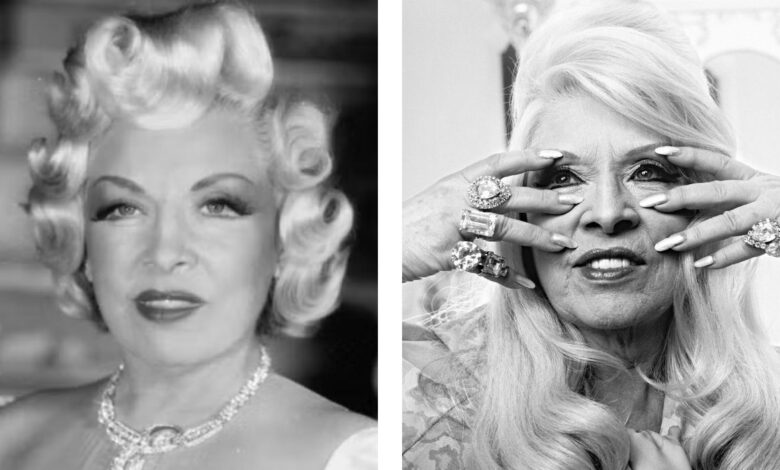
The brilliant career and trailblazing entertainment journey of Mae West remain among the most fascinating sagas in American entertainment history. Rising from humble vaudeville roots in Brooklyn to ultimate Hollywood royalty, she transformed cinema through her sharp wit, bold playwriting, and unique screen persona. Beyond her box-office dominance during the Golden Age of cinema, her fearless commitment to creative control and sharp satire challenged conservative censorship standards, redefining female independence on screen. This comprehensive biography explores her early stage origins, record-breaking Hollywood blockbusters, landmark legal battles, enduring cultural influence, and timeless artistic achievements across seven sensational decades.
Quick Bio
| Detail | Information |
| Full Birth Name | Mary Jane West |
| Date of Birth | August 17, 1893 |
| Place of Birth | Brooklyn, New York, U.S. |
| Date of Death | November 22, 1980 |
| Place of Death | Los Angeles, California, U.S. |
| Primary Professions | Actress, Playwright, Screenwriter, Comedian |
Early Childhood and Family Roots in Brooklyn
Growing up in the Bushwick neighborhood of Brooklyn, young Mae West spent her early childhood immersed in a lively working-class environment surrounded by creative parents. Her father worked as a prizefighter known as Battlin’ Jack West, while her mother was a former fashion model who encouraged performance. Recognized early on for her natural magnetism and strong personality, she received constant encouragement to cultivate her stage presence. These foundational childhood experiences in New York instilled a tough, independent spirit that served her throughout her legendary entertainment career, shaping her approach to performance, comedy, and artistic independence.
Early Vaudeville Debut and Stage Beginnings
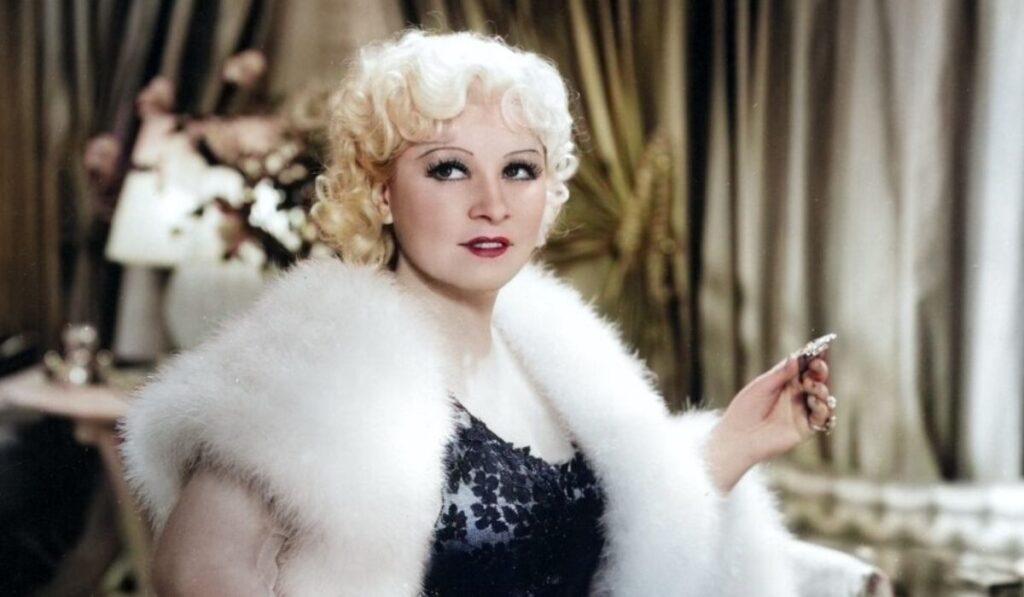
Stepping onto the stage at five years old, Mae West launched her lifelong performing career through amateur talent shows and local theater venues. By age fourteen, she was performing professionally on the vaudeville circuit under the moniker Baby Mae, experimenting with comedy and song styles. She refined her delivery, physical presence, and signature strut while touring extensively across regional theaters. Learning to command diverse audiences provided invaluable training in comedic timing and audience engagement. These early vaudeville years proved essential in developing the distinctive, self-assured persona that later captivated broad audiences on Broadway and Hollywood film screens.
Development of Her Signature Screen Persona
During her formative years on stage, Mae West carefully created her iconic comedic character, blending bold wit with glamorously styled costumes. Drawing inspiration from male impersonators, blues singers, and street humor, she developed a low contralto speaking voice and unmistakable walking style. She recognized early that maintaining total control over her image allowed her to deliver audacious punchlines with charming elegance. This calculated blend of glamorous style, razor-sharp dialogue, and confident self-awareness transformed her into an irresistible force, setting her apart from traditional starlets throughout the entertainment industry.
Playwriting Breakthrough and Broadway Success
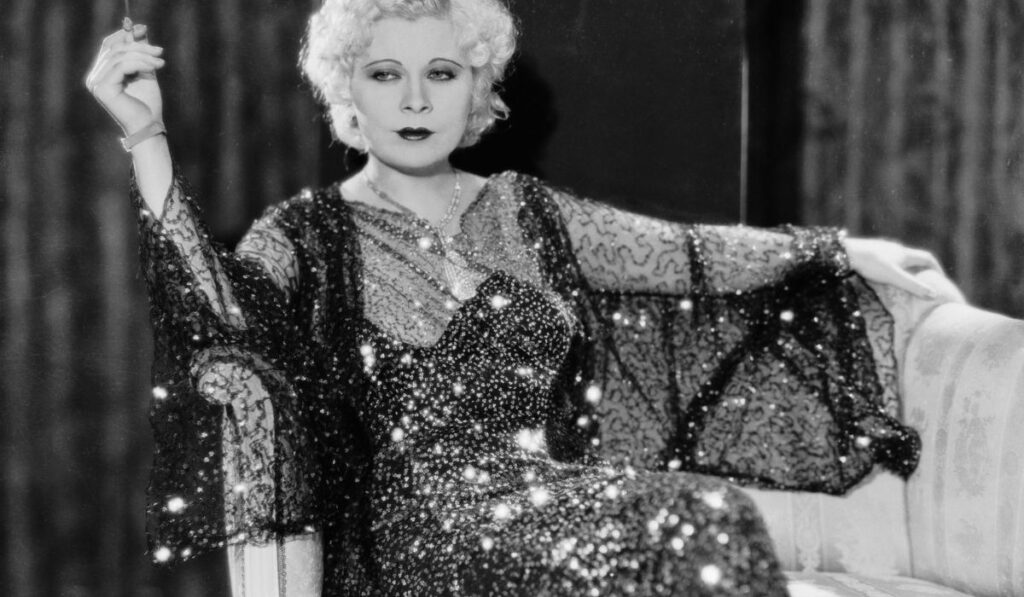
Expanding beyond basic acting, Mae West authored her own stage plays during the 1920s to ensure complete creative freedom. Under the pen name Jane Mast, she wrote controversial Broadway productions like Sex and The Drag, attracting massive crowds and fierce criticism. Her plays explored bold social themes and unconventional relationships, showcasing her sharp ear for urban dialogue and theatrical spectacle. While traditional critics condemned her works, box-office receipts confirmed her popularity. Her success as a playwright established her as an astute businesswoman capable of driving record theatrical attendance through controversy.
Legal Challenges and Broadway Censorship Battles
The controversial themes in her plays caused Mae West to face severe censorship and public scrutiny from New York authorities. In 1927, officials raided her hit play Sex, charging her with moral corruption and sentencing her to ten days in prison. Rather than harming her reputation, the brief incarceration generated nationwide publicity, solidifying her status as a folk hero and champion of free expression. She used the publicity to fuel her next theatrical hits, proving that attempted censorship only amplified her popularity and box-office power across American popular culture.
Hollywood Arrival at Paramount Pictures
In 1932, Mae West moved to Los Angeles after Paramount Pictures offered her a lucrative feature film contract to save the studio. Making her movie debut at age thirty-nine in Night After Night, she insisted on rewriting all her own lines. Co-star George Raft noted that she stole every scene she appeared in despite playing a supporting role. Her immediate screen success proved that her theatrical appeal translated seamlessly to motion pictures, setting the stage for her to become one of Hollywood’s highest-paid stars.
Saving Paramount Pictures with She Done Him Wrong
Her first starring feature film, She Done Him Wrong in 1933, turned Mae West into a international cinematic phenomenon. Adapted from her Broadway hit Diamond Lil, the movie earned an Academy Award nomination for Best Picture and grossed millions. Her performance opposite a young Cary Grant popularized classic catchphrases that entered mainstream pop culture history. The massive box-office earnings single-handedly saved Paramount Pictures from imminent bankruptcy during the Great Depression, establishing her as one of the most profitable box-office attractions in global motion picture history.
Massive Box-Office Dominance in I’m No Angel
Following up her initial film triumph, Mae West wrote and starred in the 1933 blockbuster I’m No Angel, again co-starring Cary Grant. Playing circus performer Tira, she delivered dozens of memorable double entendres while singing blues numbers. The movie broke opening-day attendance records across North America, proving her appeal spanned rural towns and major metropolitan cities alike. By late 1933, her immense popularity earned her the highest salary of any woman in the United States, rivaling top corporate executives and world political leaders in annual income.
Confronting the Production Code Administration
The overwhelming popularity of Mae West triggered strict Hollywood censorship through the newly enforced Motion Picture Production Code in 1934. Studio censors heavily scrutinized her screenplays, demanding script edits to tone down her suggestive humor and independent characters. Instead of backing down, she cleverly adapted her writing style, using double entendres that bypassed conservative board reviewers while delighting audience members. Her battle with censorship defined an era of Hollywood filmmaking, forcing industry regulators to reshape guidelines while showcasing her cleverness as a screenwriter.
Classic Collaboration in My Little Chickadee
In 1940, Mae West teamed up with legendary comedian W.C. Fields for the comedy Western My Little Chickadee at Universal Pictures. Co-writing the screenplay, she matched Fields’ frantic humor with her calm, sarcastic, and sharp-witted screen persona. Despite off-screen rivalries between the two star performers, their comedic chemistry created a box-office success loved by worldwide audiences. The film highlighted her continued relevance and capability to collaborate with top Hollywood talent, securing its position as an enduring classic in American cinematic comedy history.
Radio Performance Controversies and Bans
Beyond feature films, Mae West brought her signature humor to national radio broadcasts, causing major cultural headlines during the late 1930s. Her 1937 appearance on Edgar Bergen’s The Chase and Sanborn Hour featuring an Adam and Eve sketch provoked outrage from conservative religious groups. Network executives received thousands of complaint letters, leading to a temporary ban of her name on NBC radio broadcasts. The event showcased the power of her vocal delivery, proving that even without visual glamour, her voice alone possessed incredible cultural impact.
World War II Morale Boosting and Life Preserver Legacy
During World War II, Mae West dedicated her energy to supporting American troops, appearing at military rallies and entertaining service members. Allied soldiers affectionately named their inflatable yellow life preservers “Mae Wests” because the buoyant jackets resembled her famous silhouette. Additionally, her image was painted on bomber aircraft noses, bringing humor and comfort to soldiers fighting abroad. Embracing the military tribute with pride, her wartime contributions demonstrated her deep connection with the American public, forever linking her name to military history.
Successful Las Vegas Stage Shows and Nightclubs
Transitioning away from Hollywood studio films during the 1950s, Mae West launched a lucrative theatrical career headline act in Las Vegas. She designed a spectacular musical show surrounded by a chorus of muscular bodybuilders, selling out major casino showrooms across the strip. Performing live music, stand-up comedy, and stage sketches well into her sixties, she demonstrated exceptional energy and business acumen. Her Las Vegas nightclub success pioneered modern celebrity casino residencies, providing a successful operational model that future legendary pop music icons followed for decades.
Recording Rock and Roll Music Albums
Refusing to slow down in her later years, Mae West explored the music industry during the 1960s by recording contemporary rock and blues albums. Her 1966 album Way Out West featured her distinct vocal covers of popular songs by groups like The Beatles and The Bob Dylan. Followed by a Christmas album, these recordings introduced her humor to younger counterculture audiences. Her willingness to embrace modern musical trends highlighted her adaptability, keeping her relevant across changing generations of pop culture fans throughout North America.
Cinematic Return in Myra Breckinridge
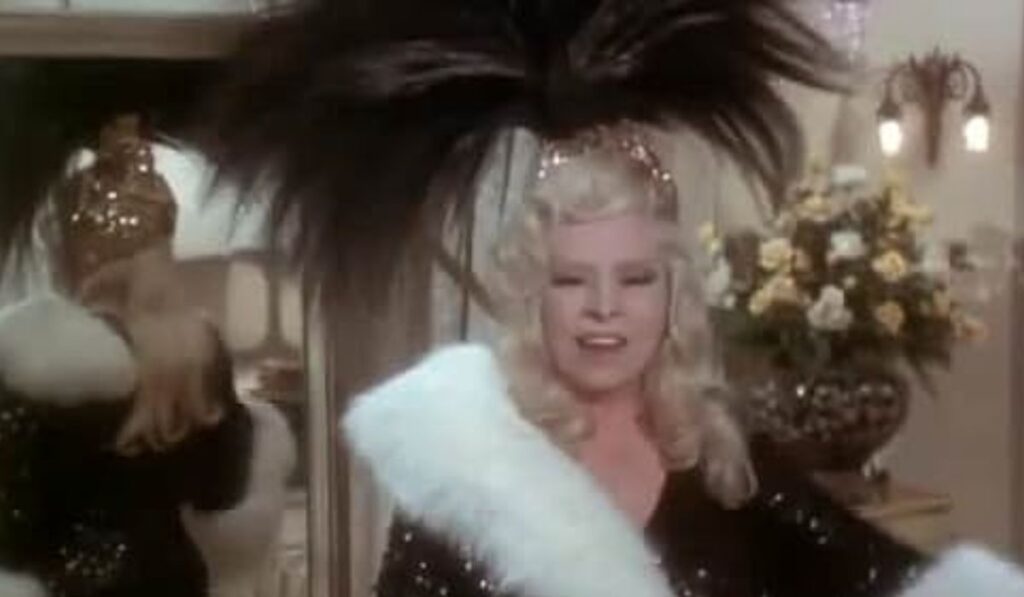
In 1970, Mae West made a high-profile return to Hollywood cinema by starring in the movie adaptation of Gore Vidal’s Myra Breckinridge. Playing talent agent Leticia Van Allen, she shared the screen with modern stars like Raquel Welch and Farrah Fawcett. She personally wrote her own dialogue and performed musical numbers, commanding global media attention. While the movie received mixed critical reviews, her performance was widely praised as the standout highlight, demonstrating her timeless star appeal and screen command.
Final Film Role in Sextette
Concluding her long cinematic filmography, Mae West wrote and starred in her final feature film, Sextette, released in 1978. Based on her own original stage play, the movie featured an all-star cast including Timothy Dalton, Ringo Starr, and Dom DeLuise. Performing on screen in her eighties, she delivered comedic lines with her characteristic poise and style. The project served as a celebratory victory lap for her eight-decade entertainment journey, honoring a legend who spent her life entertaining worldwide audiences on her own terms.
Personal Life, Independence, and Relationships
Throughout her long public life, Mae West guarded her privacy while maintaining financial and emotional independence. Following a brief youthful marriage to vaudevillian Frank Wallace, she chose not to cohabitate, prioritizing her creative career over traditional domestic arrangements. Later in life, she shared a loving, twenty-six-year partnership with Paul Novak, who devotedly supported her until her passing. Managing her own real estate investments and financial affairs, she maintained absolute personal autonomy, proving herself to be a modern, self-reliant woman far ahead of her historical era.
Enduring Style Icon and Pop Culture Influence
The visual aesthetic of Mae West continues to influence fashion designers, artists, and entertainers around the world. Her hourglass gowns, platform shoes, blonde curls, and glamorous accessories created an evergreen visual standard that inspired surrealist artist Salvador Dalí to design his famous lip-shaped sofa. Additionally, she was featured on the cover of The Beatles’ iconic Sgt. Pepper’s Lonely Hearts Club Band album. Her bold visual presentation and quick wit remain foundational references for modern drag performers, fashion icons, and comedic actresses across international entertainment media.
Passing and Worldwide Memorial Tributes
Passing away peacefully on November 22, 1980, at the age of eighty-seven in Los Angeles, Mae West left behind a vast cultural legacy. News of her death prompted tributes from world leaders, international filmmakers, fellow actors, and millions of devoted fans. Laid to rest in her native Brooklyn, New York, she was remembered as a pioneer who shattered societal limitations for female artists. Retrospectives around the globe celebrated her playwriting, box-office victories, and lifelong dedication to entertaining humanity through laughter, beauty, and wit.
Final Reflections on Her Trailblazing Legacy
Reflecting on the groundbreaking career of Mae West reveals a woman who redefined the entertainment industry through courage, talent, and intellect. By writing her own material, managing her business interests, and confronting censorship, she paved the way for generations of independent female creators. Her famous quips remain part of standard English usage, while her films continue to entertain audiences worldwide. She stands as an eternal symbol of artistic freedom, sharp wit, and unyielding self-confidence in popular culture history.
FAQs
- Who was Mae West?
- Mae West was an iconic American actress, playwright, screenwriter, and comedian whose performing career spanned seven decades.
- What was Mae West’s real birth name?
- Her legal birth name was Mary Jane West, born in Brooklyn, New York.
- Which movie saved Paramount Pictures from bankruptcy?
- Her 1933 smash-hit feature film She Done Him Wrong saved Paramount Pictures from financial collapse.
- Why were military life preservers named after Mae West?
- World War II soldiers nicknamed inflatable life vests “Mae Wests” because their shape resembled her famous hourglass silhouette.
- When did Mae West pass away?
- She passed away on November 22, 1980, at the age of 87 in Los Angeles, California.