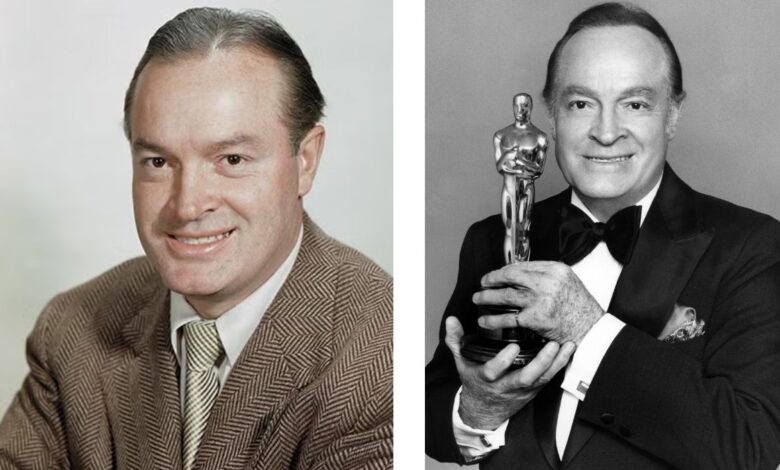
The extraordinary artistic career of Bob Hope spans nearly eight decades of American entertainment history, establishing him as an irreplaceable icon of twentieth-century comedy, broadcasting, and humanitarian outreach. Born in England before immigrating to the United States, his swift wit and legendary timing transformed radio, film, and television forever. Through his endless energy, trademark self-deprecating humor, and unyielding support for international military personnel through USO tours, he won the hearts of generations. Exploring the vast cultural accomplishments of Bob Hope offers a fascinating glimpse into the evolution of modern American show business and timeless comedic art.
Quick Bio
| Feature | Details |
| Full Birth Name | Leslie Townes Hope |
| Date of Birth | May 29, 1903 |
| Place of Birth | Eltham, London, England |
| Date of Death | July 27, 2003 |
| Primary Profession | Comedian, Actor, Singer, Entertainer |
| Key Achievements | Hosted Academy Awards 19 times, 57 USO Tours |
Immigrant Roots and Early American Youth
Immigrating from England as a young child in 1908, the future comic master Bob Hope spent his formative years growing up in Cleveland, Ohio. Raised in a large working-class household, he quickly learned how to navigate life through quick wit, boundless energy, and engaging charm. To support his family during tough financial times, he took various odd jobs, including singing and dancing on street corners for spare change. These early street performances ignited his burning passion for live entertainment while instilling an extraordinary work ethic that would define his legendary professional career across the next eight decades.
Brief Boxing Stint as Packy East
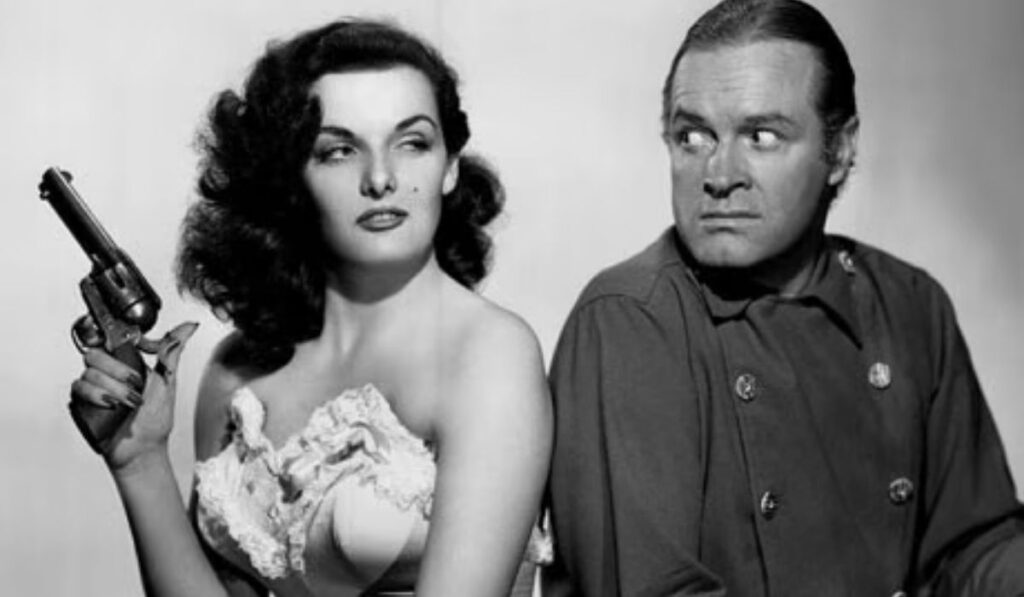
Before discovering his true calling on the theatrical stage, the ambitious young Bob Hope briefly pursued a career as a professional boxer under the name Packy East. Fighting in local amateur bouts, he learned physical agility and quick reflexes, though his boxing record remained modest at best. Realizing that his natural talent lay in generating laughter rather than enduring painful physical hits, he wisely transitioned away from the boxing ring toward comedy. This brief athletic chapter nevertheless added a unique edge to his character, feeding into his famous self-deprecating jokes throughout his later years.
Learning the Crafts of Vaudeville
Entering the vibrant world of classic vaudeville during the early 1920s, the dedicated performer Bob Hope traveled extensively across American circuits to sharpen his comedic craft. Performing multiple shows daily in front of diverse, demanding audiences taught him the critical importance of precise comedic timing, physical body language, and rapid joke delivery. He experimented constantly with song routines, dance steps, and light banter until he perfected a confident, smooth, and friendly stage persona. The rigorous training ground of vaudeville served as the ultimate school for his rapid ascent to stardom.
Conquest of Broadway and Musical Comedy
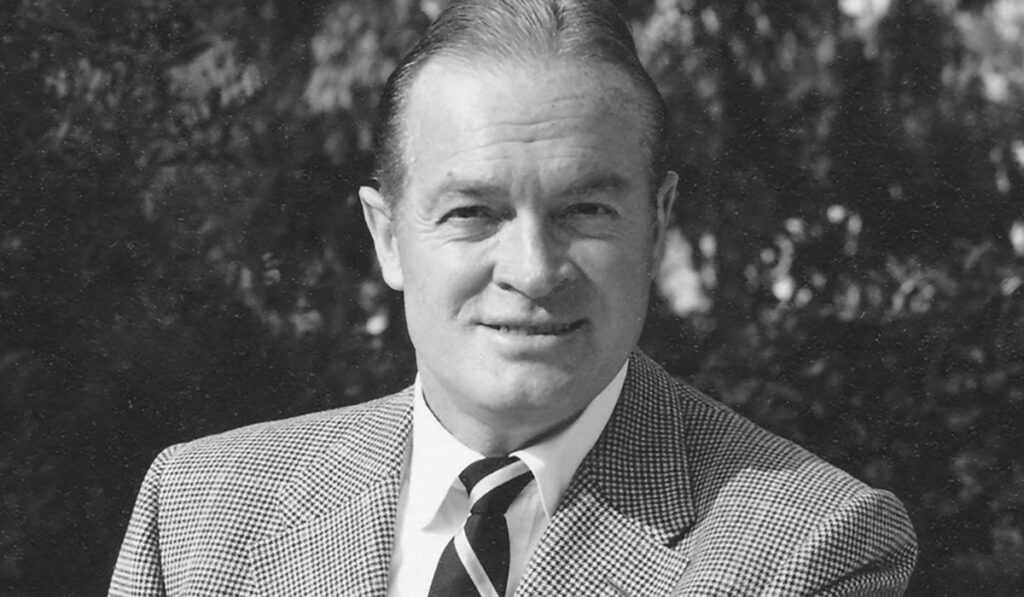
Transitioning from traveling vaudeville shows to prestigious New York stages, the rising entertainer Bob Hope secured prominent roles in several hit Broadway musical comedies during the 1930s. His natural charm, melodic voice, and comedic instincts made him a standout star in major productions like Roberta and Red, Hot and Blue. Broadway audiences cheered his effortless ability to improvise witty lines and connect personally with theatergoers. His remarkable success in live theater caught the immediate attention of major Hollywood executives, opening lucrative doors to national radio broadcasts and feature film opportunities across California.
Launching a Monumental Radio Career
Beginning his network broadcasting journey in the late 1930s, the versatile star Bob Hope dominated national airwaves with his immensely popular comedy broadcasts on NBC Radio. His fast-paced monologue format, structured around topical news jokes and clever celebrity guest banter, set the standard for modern comedy radio programming. American families gathered around their living room receivers weekly to enjoy his sharp satirical takes on current events and politics. His radio success established his household popularity across North America, proving that his vocal delivery was just as effective without visual stage elements.
Hollywood Breakthrough and Signature Songs
Making his grand Hollywood feature film debut in 1938, the charismatic actor Bob Hope starred in Paramount Pictures’ The Big Broadcast of 1938. In this iconic musical film, he performed the beautiful duet “Thanks for the Memory,” which instantly became his beloved personal theme song for life. Hollywood studios recognized his unique potential as a leading comedy man who could seamlessly balance romantic subplots with rapid-fire slapstick humor. This initial movie success launched a remarkable Hollywood film career spanning over fifty major feature films throughout the mid-twentieth century.
The Iconic Road Pictures with Bing Crosby
Partnering with legendary crooner Bing Crosby and actress Dorothy Lamour, the hilarious performer Bob Hope starred in seven celebrated “Road to…” comedy films between 1940 and 1962. These classic films featured chaotic plotlines, rapid ad-libs, clever fourth-wall breaks, and unforgettable musical duets that delighted millions of filmgoers worldwide. The playful on-screen rivalry between the two stars created absolute box office magic, establishing their franchise as one of Hollywood’s most profitable cinematic series. Their undeniable onscreen chemistry remains a gold standard for buddy comedy pairings in American film history.
Dedicated Service to USO Tours
Demonstrating unmatched patriotism and personal commitment, the tireless entertainer Bob Hope began his legendary USO tours in 1941 to perform for troops deployed overseas. Over five decades spanning World War II, the Korean War, the Vietnam War, and the Gulf War, he brought morale-boosting laughter to remote military bases and battle zones. Braving dangerous conditions to entertain soldiers far from home earned him immense gratitude from military families worldwide. His selfless dedication to American service personnel remains one of the most celebrated humanitarian efforts in entertainment history.
Dominance in Golden Age Television
Embracing the dynamic new medium of home television during the 1950s, the visionary performer Bob Hope signed a groundbreaking contract with NBC to host high-profile television specials. His star-studded TV broadcasts consistently captured massive network ratings, featuring top-tier musical guests, sketch comedy routines, and topical stand-up routines. Unlike regular weekly sitcoms, his event-style specials felt like grand national celebrations that brought families together. He maintained his position as a dominant television personality for over four decades, effortlessly adapting his comedic style to evolving broadcast technology and culture.
Hosting the Academy Awards Record
Achieving an unmatched record in Hollywood history, the beloved master of ceremonies Bob Hope hosted or co-hosted the Academy Awards nineteen times between 1939 and 1977. His brilliant opening monologues roasted Hollywood executives, famous movie stars, and industry traditions with affection and perfect sharpness. His calm presence and improvised jokes kept long broadcast ceremonies entertaining and engaging for millions of international viewers. His exceptional hosting duties solidified his reputation as Hollywood’s unofficial ambassador and the ultimate master of live public entertainment.
Mastery of Rapid Fire Monologues
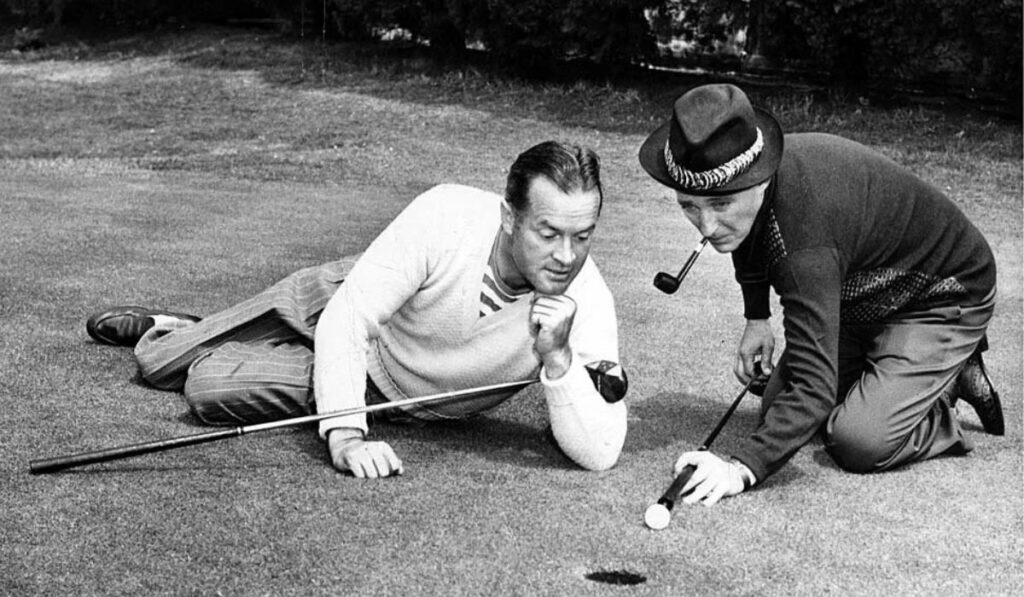
Refining the art of stand-up comedy performance, the brilliant humorist Bob Hope revolutionized joke structure by pioneering rapid-fire, topical monologue delivery. Working alongside a talented team of professional comedy writers, he processed daily headlines into sharp, relatable one-liners delivered with flawless rhythmic precision. His signature posture, complete with a golf club in hand, became an iconic image of effortless comedic confidence. Comedians across generations studied his incredible timing, setup-punchline structure, and ability to handle any live audience with grace and sharp wit.
Personal Life and Marriage to Dolores
Behind the glitz of Hollywood stardom, the dedicated family man Bob Hope shared a legendary marriage with singer and philanthropist Dolores DeFina spanning sixty-nine years. Marrying in 1934, the couple built a lasting life together in Toluca Lake, California, where they raised four adopted children. Dolores served as a steady anchor throughout his busy global career, often accompanying him on international military tours and supporting charitable endeavors. Their long-lasting partnership stood out as a beacon of stability and mutual support within the often volatile landscape of Hollywood show business.
Lifelong Passion for the Game of Golf
Beyond the world of stage and screen, the avid sports enthusiast Bob Hope harbored a deep, lifelong passion for the game of golf. He used golf as a unique networking tool, playing rounds with professional athletes, international celebrities, and eleven sitting American presidents. His high-profile involvement in the sport helped popularize golf among mainstream suburban audiences across North America. He even hosted his own prestigious PGA Tour tournament, the Bob Hope Desert Classic, which raised millions of dollars for local charities and medical centers.
Friendship with US Presidents and Leaders
Crossing political divides with effortless charm, the revered American celebrity Bob Hope enjoyed close personal friendships with every U.S. President from Franklin D. Roosevelt to Bill Clinton. He frequently performed at presidential inaugurations, state dinners, and charity galas, entertaining global world leaders with lighthearted political satire. His unique ability to poke gentle fun at political leaders without causing offense earned him respect from politicians on both sides of the aisle. These rare relationships reflected his unique stature as a trusted, unifying cultural icon across the entire nation.
Literary Works and Written Memoirs
Extending his creative reach onto the printed page, the talented author Bob Hope penned fourteen successful books detailing his extraordinary life and career experiences. His published works included humorous memoirs, military travelogues, jokebooks, and reflective stories about his years entertaining overseas troops. Books such as I Never Left Home and Have Tux, Will Travel became massive bestsellers, offering fans intimate behind-the-scenes insights into his global travels. His engaging writing style captured his energetic conversational voice, making his literary works popular among readers worldwide.
Unprecedented Awards and Royal Honors
Accumulating an astonishing array of professional accolades, the legendary star Bob Hope earned over fifteen hundred civic, military, and entertainment awards throughout his life. He received five special honorary Academy Awards, the Congressional Gold Medal, and the Presidential Medal of Freedom for his incredible contributions to American culture and military morale. In 1998, Queen Elizabeth II named him an honorary Knight Commander of the Order of the British Empire in recognition of his British roots and global humanitarian service. These unique honors confirmed his global standing as a beloved international treasure.
Reaching Centenarian Status and Passing
Celebrating an extraordinary personal milestone, the cherished centenarian Bob Hope reached his 100th birthday on May 29, 2003, surrounded by loving family, friends, and worldwide tributes. Cities across America named streets, buildings, and parks in his honor to mark a century of his phenomenal life. Just two months later, on July 27, 2003, he passed away peacefully at his California home, leaving behind an unmatched legacy of laughter. Fans around the world mourned the end of an era, celebrating a man who devoted his entire life to entertaining humanity.
Enduring Influence on Modern Standup
The structural innovations pioneered by comic giant Bob Hope continue to shape the world of modern stand-up comedy, late-night television, and political satire today. Present-day late-night talk show hosts rely directly on the topical monologue template that he spent decades perfecting on radio and network television. His brilliant combination of rapid punchlines, self-deprecating jokes, and slick audience interaction laid the crucial groundwork for future generations of successful comedians. His influence remains embedded within the structural DNA of American comedic entertainment across every modern broadcasting format.
Preserving the Historic Hope Archive
Preserving his immense historical legacy for future generations, the vast archives of entertainer Bob Hope are carefully maintained by prestigious institutions, including the Library of Congress. His extensive collection contains thousands of joke files, radio scripts, personal letters, film reels, and military memorabilia documenting eight decades of entertainment history. Scholars, historians, and comedy writers regularly study these historical materials to gain valuable insights into the evolution of American media and culture. This massive preserved archive ensures that his artistic brilliance and humanitarian spirit will educate and inspire audiences forever.
The Undying Cultural Legacy of Bob Hope
Reflecting on his incredible century of life, the ultimate impact of Bob Hope remains an enduring testament to the power of laughter, duty, and joy. From humble origins as a young immigrant child to becoming Hollywood’s most revered star, he redefined what it meant to be a complete entertainer. His timeless movies, iconic radio broadcasts, and selfless USO performances created a legacy that transcends simple show business success. He stands forever as an immortal figure in global culture whose incredible work continues to bring smiles to millions across the world.
FAQs
- Where was Bob Hope born before coming to America?
- Bob Hope was born in Eltham, London, England, before moving to Cleveland, Ohio, with his family in 1908.
- How many times did Bob Hope host the Academy Awards?
- Bob Hope hosted or co-hosted the Academy Awards a record nineteen times between 1939 and 1977.
- What was the name of Bob Hope’s signature song?
- His signature song was “Thanks for the Memory,” which he introduced in the 1938 film The Big Broadcast of 1938.
- Did Bob Hope serve in the military during his USO tours?
- While he was never an active soldier, Congress designated Bob Hope as an honorary veteran of the U.S. Armed Forces in 1997.
- How old was Bob Hope when he passed away in 2003?
- Bob Hope passed away at the age of 100, just two months after celebrating his centennial birthday.