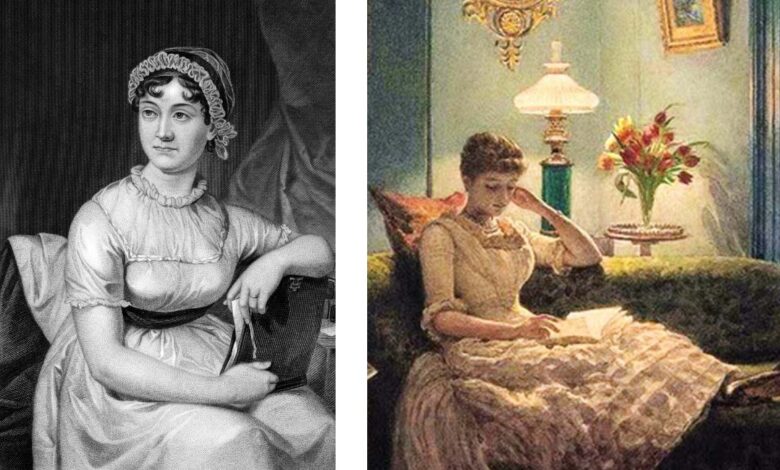
The lasting influence of Jane Austen remains a cornerstone of classic English literature and global narrative storytelling. Born in Hampshire in 1775, her keen social commentary, sharp wit, and nuanced romantic plots transformed the early nineteenth-century novel format. Across her celebrated works, she examined themes of social status, financial dependence, and personal growth with unmatched clarity and humor. Today, her universally beloved novels continue to inspire countless film adaptations, academic studies, and passionate reader communities worldwide. Exploring the quiet life of Jane Austen offers profound insight into the power of acute observation, literary dedication, and timeless storytelling.
Quick Bio
| Feature | Details |
| Full Name | Jane Austen |
| Date of Birth | December 16, 1775 |
| Place of Birth | Steventon, Hampshire, England |
| Date of Death | July 18, 1817 |
| Principal Profession | Novelist |
| Major Works | Sense and Sensibility, Pride and Prejudice, Mansfield Park, Emma |
Early Childhood in Hampshire
Growing up in the rural village of Steventon, the young author Jane Austen enjoyed a vibrant family life filled with intellectual encouragement and creative energy. Her father, a knowledgeable country clergyman, maintained an extensive personal library that provided immediate access to diverse literature, history, and poetry. Surrounded by seven supportive siblings, she began writing lighthearted stories, humorous plays, and satirical sketches to entertain her close-knit family during evening gatherings. These formative childhood experiences nurtured her natural observational skills and deep understanding of small-town social dynamics, laying the essential creative foundation for her future literary career.
Early Creative Experiments and Juvenilia
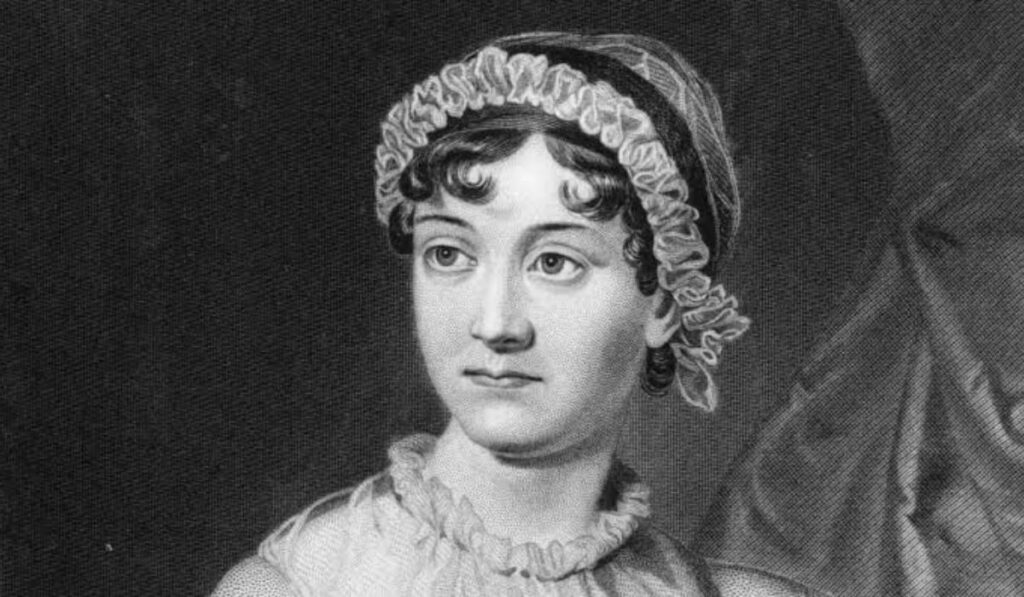
Developing her distinct literary voice during adolescence, the aspiring writer Jane Austen compiled dozens of clever short works into notebook collections now known as her Juvenilia. These early pieces parodied popular sentimental fiction of the late eighteenth century, featuring outrageous heroines, theatrical plots, and sharp comic dialogue. Writing these youthful parodies allowed her to experiment freely with narrative tone, irony, and character development without commercial pressure. This period of creative experimentation sharpened her critical instincts regarding storytelling conventions, preparing her to write the mature, grounded, and enduring social novels that eventually defined her legacy.
Writing the Initial Novel Drafts
During the late 1790s, the dedicated author Jane Austen composed the initial drafts of what would later become her most famous published novels. Working at a small writing desk in the family rectory, she drafted Elinor and Marianne, which eventually evolved into Sense and Sensibility, alongside First Impressions, the early version of Pride and Prejudice. She also completed the manuscript for Susan, later published posthumously as Northanger Abbey. Her early manuscripts demonstrated an extraordinary gift for realistic dialogue, psychological insight, and subtle social satire that set her apart from contemporary romantic writers.
Relocation to the City of Bath
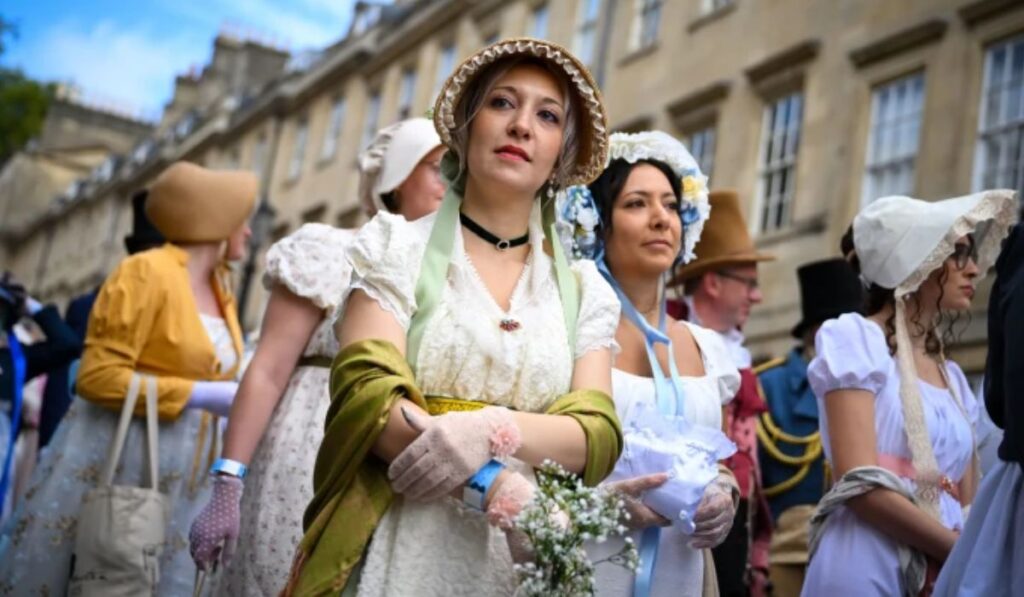
A major transition occurred in 1805 when the family moved to Bath, a bustling social city that influenced the writings of Jane Austen. While the vibrant spa town provided rich material for observing aristocratic vanity and social rituals, the relocation disrupted her usual quiet writing routine. The death of her father shortly after the move created financial insecurity for her mother and sister, requiring frequent moves between temporary lodgings. Though her creative output slowed significantly during these unsettled years, her keen observations of Bath society later enriched the settings and themes of Persuasion.
Settling at the Chawton Cottage
A peaceful, productive period began in 1809 when her wealthy brother Edward provided a permanent cottage home for Jane Austen, her mother, and her sister Cassandra in Chawton. Nestled in the Hampshire countryside, Chawton Cottage offered the stability, quiet solitude, and supportive environment necessary for serious literary work. Free from financial anxiety and frequent moves, she revised her earlier manuscripts and began writing brand-new novels with renewed artistic vigor. This small rural residence became her primary creative sanctuary, where she produced her greatest masterpieces and secured her place in global literary history.
Anonymous Publication of Sense and Sensibility
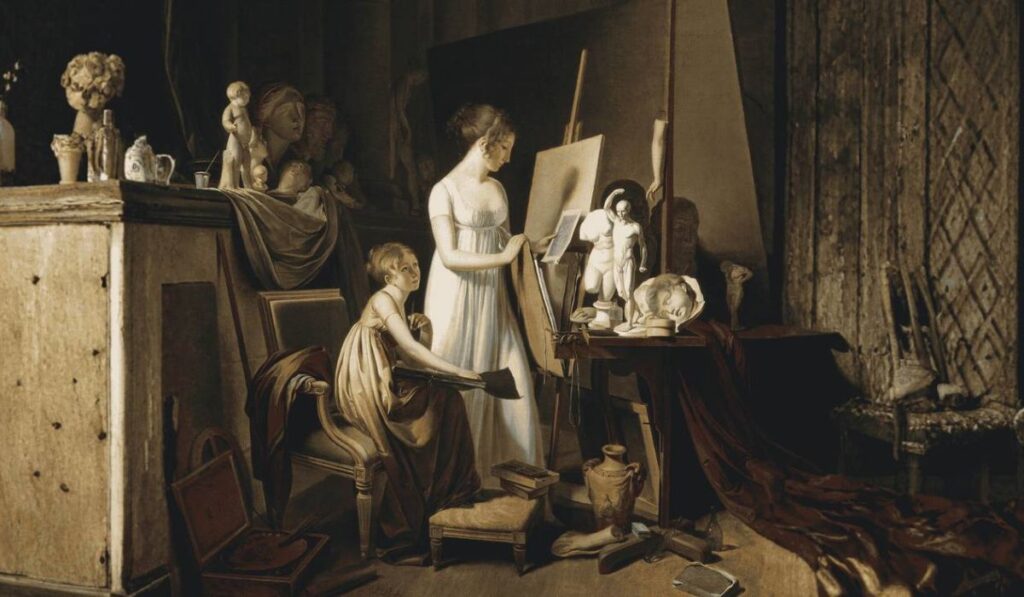
Achieving her long-held dream of commercial publication, the talented author Jane Austen released Sense and Sensibility anonymously in November 1811. The title page credited the work simply to “By a Lady,” reflecting societal norms that discouraged upper-class women from seeking public literary fame. The novel explored the contrasting temperaments of two sisters navigating financial vulnerability, social expectations, and romantic heartbreak. Receiving favorable critical reviews and solid sales, the book generated a modest financial return, proving that her realistic, character-driven fiction held strong commercial appeal for contemporary Regency audiences.
Phenomenal Triumph of Pride and Prejudice
Building upon her initial literary success, the brilliant novelist Jane Austen published her second novel, Pride and Prejudice, in early 1813. The story of Elizabeth Bennet and Mr. Darcy instantly captured the reading public’s imagination through its brilliant verbal sparring, sharp humor, and compelling romantic tension. The author famously referred to the book as her own “darling child,” taking immense pride in its witty execution. The novel sold out its first printing rapidly, establishing her reputation among literary circles as a master of ironical comedy and sophisticated character portrayal.
Complex Moral Themes in Mansfield Park
Expanding her narrative scope, the ambitious writer Jane Austen published her third major novel, Mansfield Park, in the spring of 1814. Featuring the quiet, principled heroine Fanny Price, the complex story examined serious themes of moral integrity, social duty, family upbringing, and economic ambition. Though darker in tone than its predecessor, the book achieved immense commercial success, yielding higher financial profits than any of her previous publications. Her skillful exploration of domestic politics and personal ethics demonstrated her growing maturity as a serious social novelist dealing with complex human choices.
Perfection of Style in Emma
Reaching the absolute height of her narrative artistry, the accomplished creator Jane Austen published Emma in December 1815. Centered on a clever, wealthy, but headstrong heroine who delights in matchmaking, the novel showcased revolutionary narrative techniques, including the advanced use of free indirect discourse. The story invited readers to perceive events through the main character’s biased perspective, creating a masterpiece of subtle irony and psychological depth. Dedicated by royal permission to the Prince Regent, the book earned glowing praise from contemporary literary critics for its authentic realism.
Composition of Persuasion and Northanger Abbey
Entering her final creative phase, the gifted author Jane Austen composed Persuasion while preparing her earlier gothic satire Northanger Abbey for eventual publication. Persuasion offered a mature, deeply moving narrative concerning second chances, enduring love, and shifting social classes in post-war England. Her refined prose style captured quiet emotional heartbreak and quiet dignity with exquisite tenderness. Despite declining physical health during the composition of these works, her creative mind remained sharp, imaginative, and focused on perfecting her unique approach to character-driven domestic fiction until her very last days.
Unique Narrative Voice and Innovation
The revolutionary storytelling techniques introduced by Jane Austen fundamentally reshaped the historical development of the English novel. She pioneered the seamless blending of third-person narration with internal character thoughts, allowing readers unprecedented access to personal motivations. Her signature use of subtle irony, sharp dialogue, and social satire exposed human flaws without resorting to grand melodramatic exaggeration. By focusing on everyday domestic life rather than gothic fantasies or heroic adventures, she proved that ordinary human relationships contained boundless dramatic, comedic, and moral significance for literature.
Financial Reality and Female Independence
Throughout her adult life, the pragmatic novelist Jane Austen faced the economic pressures that constrained unmarried women during the Regency era. Without personal wealth, she remained dependent on family support, making the modest earnings from her published books a vital source of personal pride and financial independence. Her novels repeatedly highlighted the harsh economic realities facing women, showing how marriage often served as a necessary financial contract rather than a simple romantic choice. Her honest depiction of women’s economic vulnerability reflected her own lived experiences as an independent female writer.
Sibling Bond with Cassandra
The closest personal relationship in the life of Jane Austen was her lifelong bond with her elder sister Cassandra. The two sisters remained devoted companions throughout their lives, sharing living quarters, household responsibilities, and private confidences. When separated by travel, they exchanged detailed letters filled with family news, local gossip, and literary reflections. Following the author’s death, Cassandra carefully preserved her sister’s manuscripts and letters, ensuring her artistic legacy remained protected for future generations seeking insight into the author’s private mind.
Final Illness and Passing in Winchester
During 1816, the health of the beloved writer Jane Austen began to decline rapidly due to an undiagnosed medical condition, now believed to have been Addison’s disease or Hodgkin’s lymphoma. Despite increasing physical weakness, she continued writing as long as possible, leaving her final novel, Sanditon, unfinished. In May 1817, she moved to Winchester to seek specialized medical treatment under expert care. Tragically, she passed away on July 18, 1817, at the age of forty-one, and was laid to rest in Winchester Cathedral.
Posthumous Publication and Recognition
Following her untimely death, the family of Jane Austen arranged for the publication of Persuasion and Northanger Abbey as a combined four-volume set in late 1817. For the first time, her brother Henry included a biographical notice publicly revealing her name as the author behind the celebrated anonymous works. Readers and literary critics finally connected her identity to the famous novels that had delighted English society for years. This posthumous revelation marked the official beginning of her transition from a popular anonymous novelist to a celebrated titan of global literature.
Victorian Revival and Growing Fame
During the mid-to-late nineteenth century, the literary reputation of Jane Austen experienced a major revival among Victorian critics, scholars, and readers. Eminent literary figures praised her precision, realism, and moral clarity, comparing her observational genius to that of William Shakespeare. Popular memoirs published by her nephew introduced her quiet personal history to enthusiastic new audiences, sparking widespread interest in her life and writing routines. By the end of the Victorian era, her books were recognized as essential classics of English literature, securing a permanent place in academic curricula worldwide.
Global Adaptations in Modern Cinema
The timeless appeal of stories crafted by Jane Austen has generated dozens of successful film, television, and theatrical adaptations across the world. Landmark screen versions, including the 1995 television series Pride and Prejudice and feature films like Sense and Sensibility, introduced her brilliant narratives to millions of modern viewers. Directors and screenwriters continue updating her stories into contemporary settings, proving that her themes of love, class, and personal growth remain universally relevant. These visual adaptations ensure her memorable characters continue captivating contemporary pop culture audiences worldwide.
Academic Study and Literary Criticism
Within modern university settings, the vast body of work created by Jane Austen remains a rich subject for rigorous academic scholarship, literary criticism, and historical analysis. Scholars examine her novels through diverse critical lenses, exploring her treatment of Regency economics, feminist politics, colonial history, and narrative structure. Her sophisticated literary techniques continue to be studied by aspiring novelists for lessons in irony, dialogue, and character construction. The depth of contemporary academic interest confirms her status as one of the most intellectually complex authors in the English language.
Worldwide Fanbase and Janeites
An extraordinary global community of dedicated fans, often called Janeites, actively celebrates the life, era, and literary achievements of Jane Austen. Literary societies across North America, Europe, and Australia host annual conferences, tea parties, and Regency balls in her honor. Readers gather online and in person to discuss her characters, collect rare editions, and visit historical sites associated with her life in Hampshire and Bath. This passionate global fandom demonstrates the deep emotional connection that her warm, witty, and deeply human stories continue to foster among readers today.
The Undying Legacy of Jane Austen
Reflecting on her complete literary impact, the enduring legacy of Jane Austen shines brighter today than ever before in history. Through six complete novels, she captured the subtle nuances of human nature, romantic love, and social life with unmatched artistic precision. Her ability to blend sharp satire with genuine moral warmth ensures her stories remain as engaging now as when first written. She stands as a monumental figure in world literature, whose brilliant creative vision continues to entertain, educate, and inspire millions across every generation.
FAQs
- What was the first published novel by Jane Austen?
- Her first published novel was Sense and Sensibility, which appeared anonymously in 1811.
- Did Jane Austen ever marry?
- No, Jane Austen never married, though she briefly accepted a proposal from Harris Bigg-Wither before changing her mind.
- Where was Jane Austen buried?
- She was buried in the north aisle of Winchester Cathedral in Hampshire, England.
- Which novel by Jane Austen features the character Elizabeth Bennet?
- Elizabeth Bennet is the famous protagonist of her 1813 novel Pride and Prejudice.
- How many complete novels did Jane Austen write?
- She completed six full-length novels: Sense and Sensibility, Pride and Prejudice, Mansfield Park, Emma, Northanger Abbey, and Persuasion.